Yukon
The Route
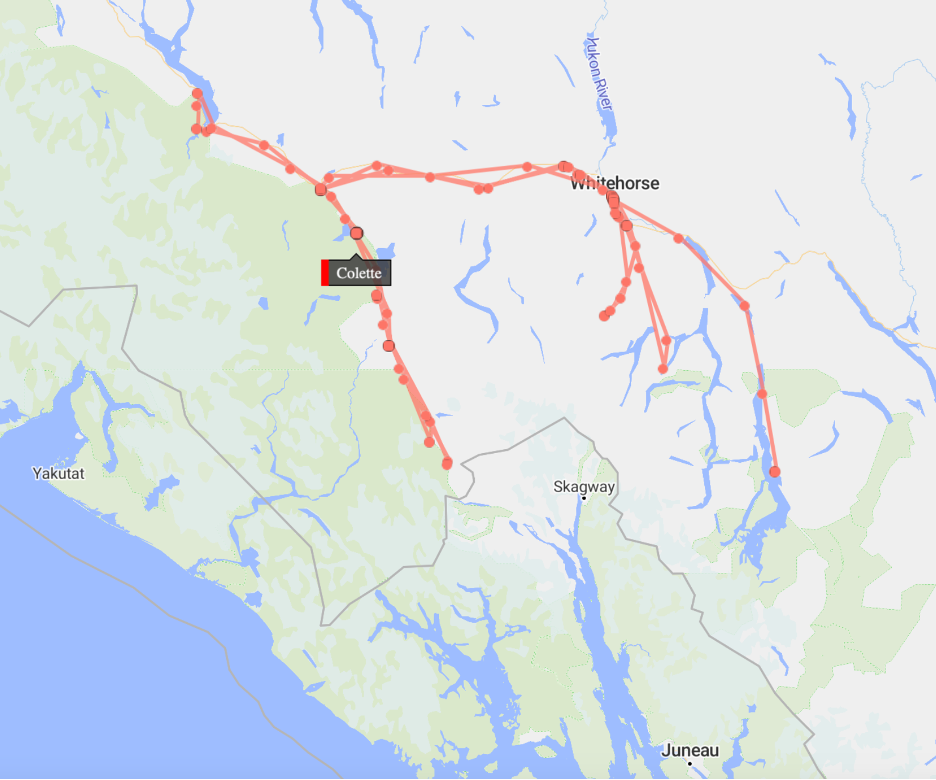
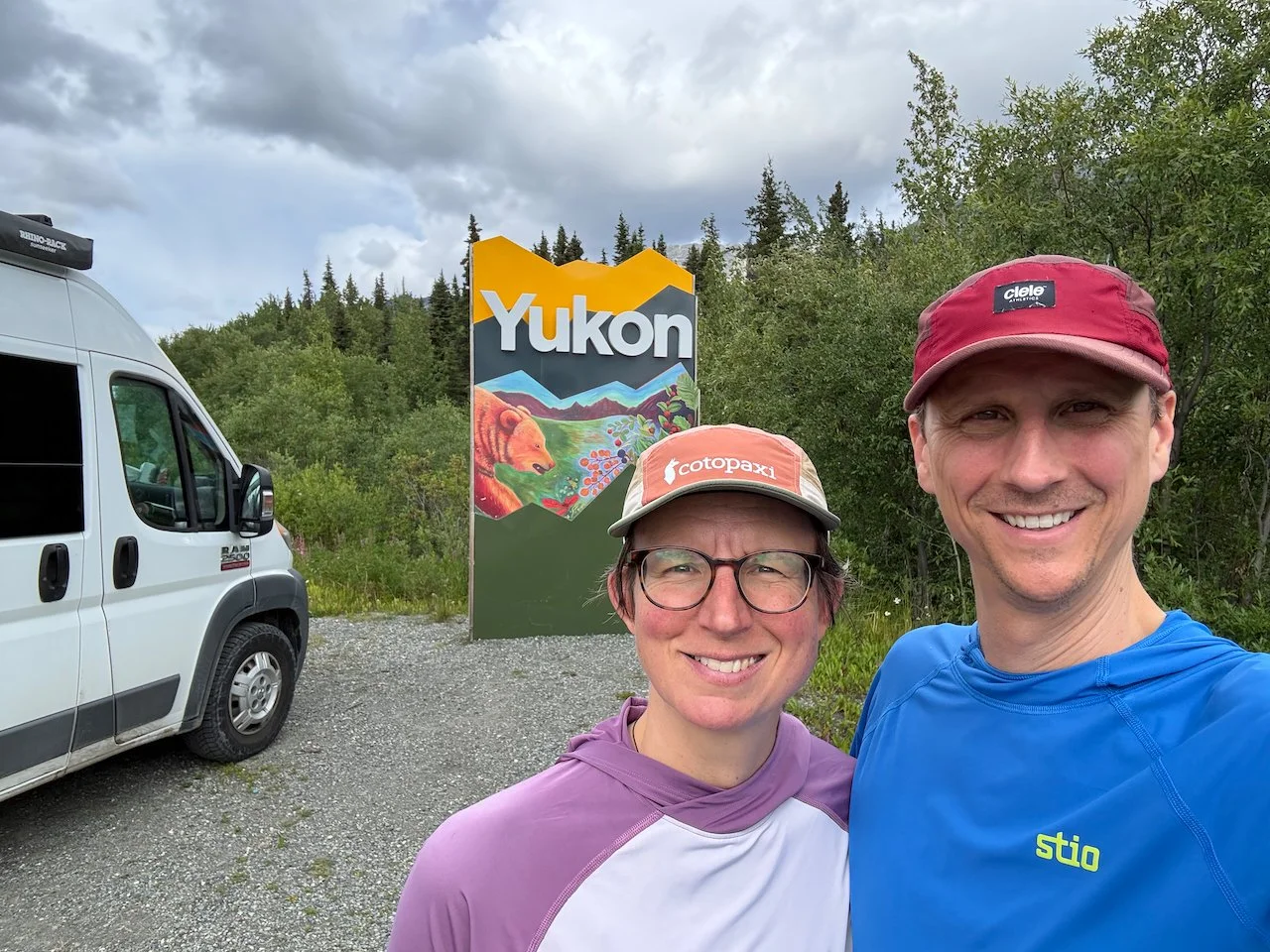
We left Atlin, BC on July 17 and crossed into Yukon Territory. Our original plan was to spend time hiking around Carcross, Whitehorse and Kluane National Park then drive further north to Dawson City and Tombstone Territorial Park. However, we heard lots of horror stories from people we met on the trip about tire-eating potholes and flight-inducing bumps on the highway between Carmacks and Dawson City so we decided it was best to cut that portion. We also noticed an unusually high number of ads for car mechanics and tire/suspension specialists in the Dawson City section of the travel guide, which seemed like a bad sign too.
The shortened itinerary gave us more time to explore southwest Yukon. We started in the area around Carcross for a few days, before taking 2 town days in Whitehorse, the Yukon’s capital. With a population of roughly 37,000, Whitehorse holds ¾ of the territory’s population meaning most of the Yukon’s 186,000 square miles is barely populated. Whitehorse was the best town we visited since Golden, BC with a walkable downtown of local shops and restaurants, including a high-end organic grocery store with amazing soft-serve ice cream that we hit multiple times as we passed through Whitehorse.
From Whitehorse we moved further northwest to Kluane National Park, which includes the Canadian portion of the St Elias Mountains. Kluane is part of a 4 park conglomerate, including Wrangell St Elias & Glacier Bay National Parks in Alaska plus British Columbia’s Tatshenshini Alsek Provincial Park. Together the 4 parks make a massive, continuous 24 million acre wilderness complex that includes the world’s largest non-polar ice cap. Not surprisingly, Kluane Park is on Kluane First Nations land, while other hikes in this part of the trip covered areas of Champagne, Aishihik, and Carcross Tagish First Nations.
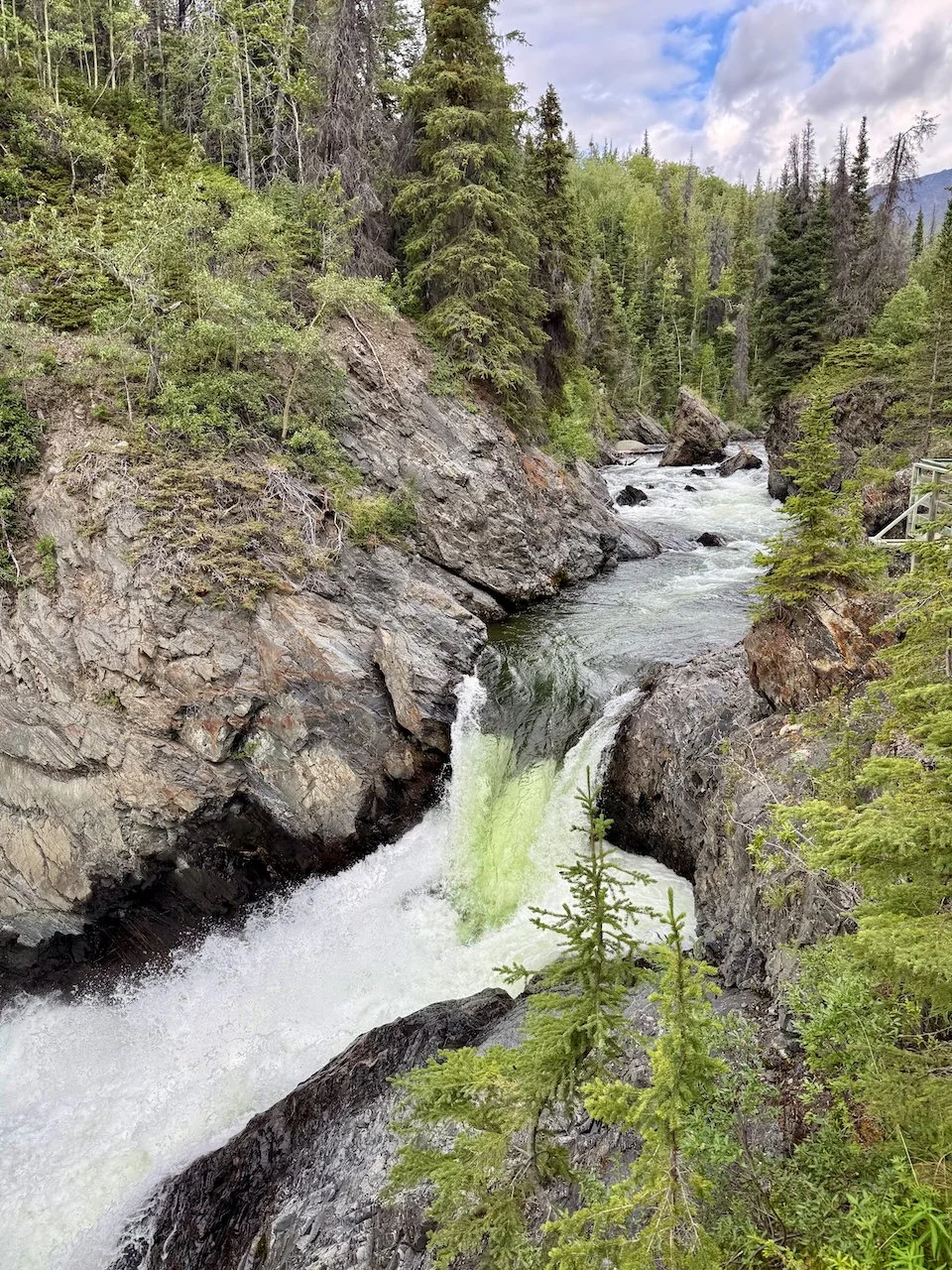
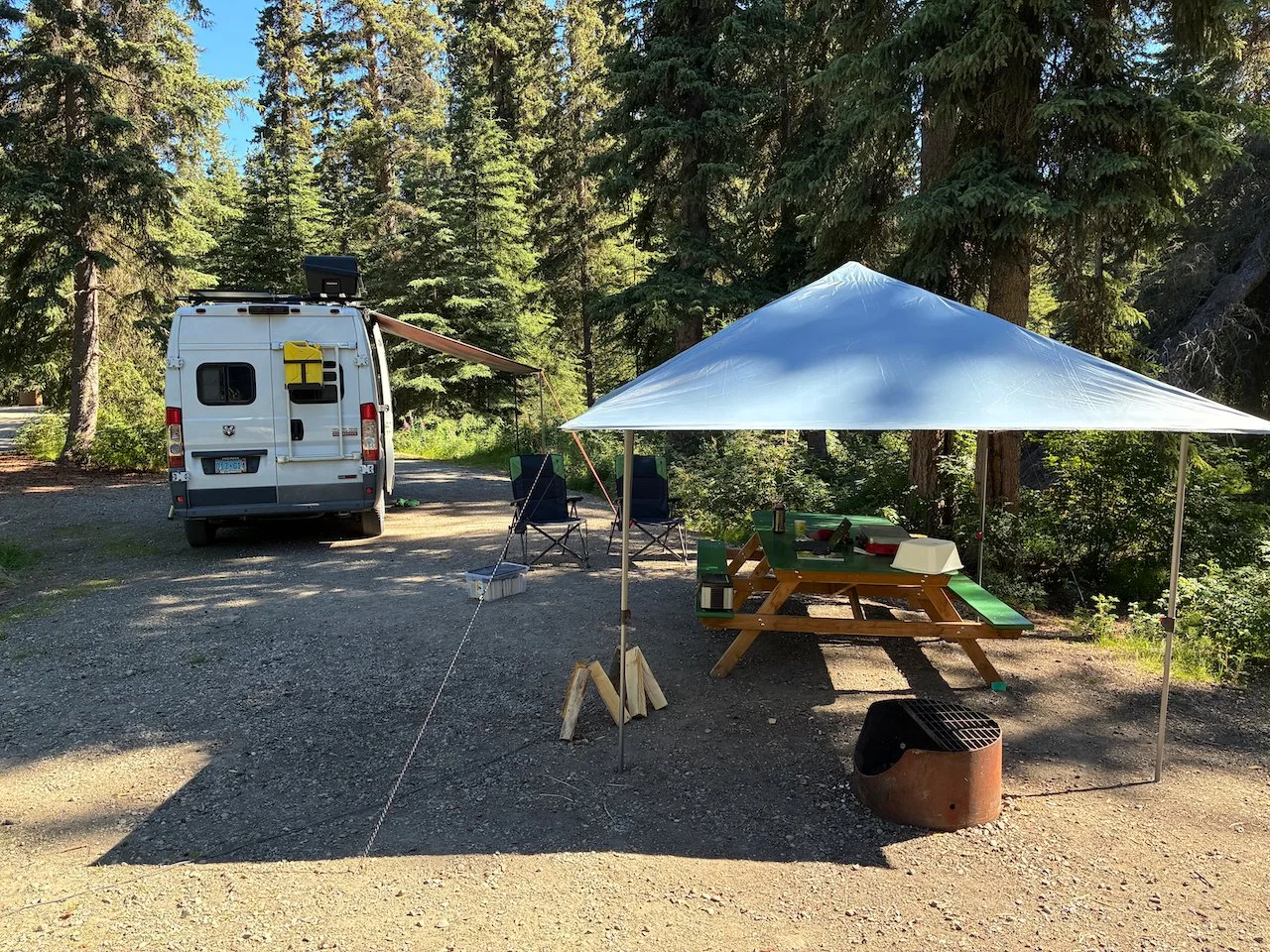
We did two different segments in Kluane – first 3 days backpacking then returning a week later for more front-country camping and day-hiking. Between the Kluane segments we took a break in an Airbnb in the Ibex Valley, near Whitehorse, and camped at Million Dollar Falls while exploring the Haines Pass region.
The Hikes / Etc.
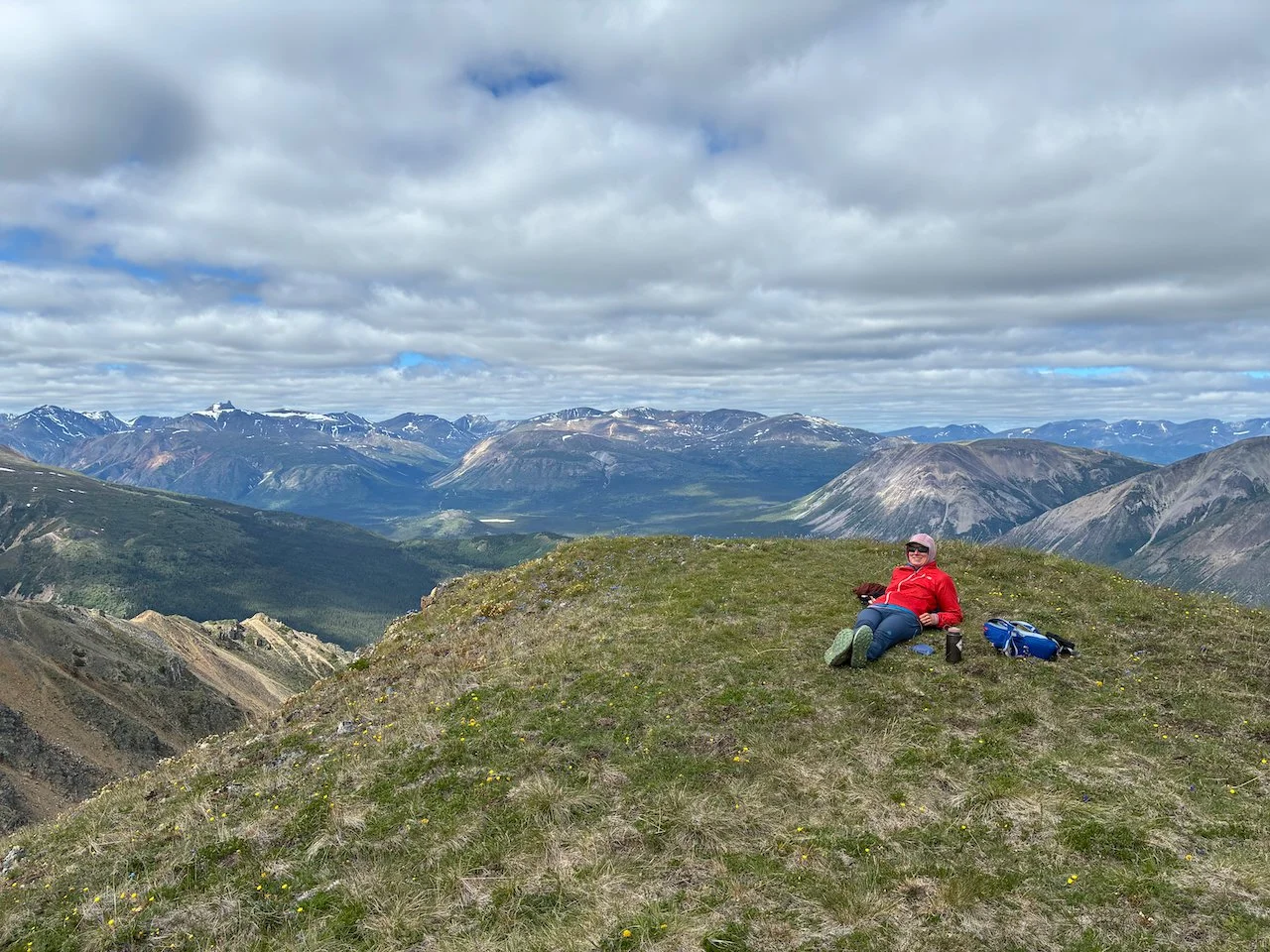
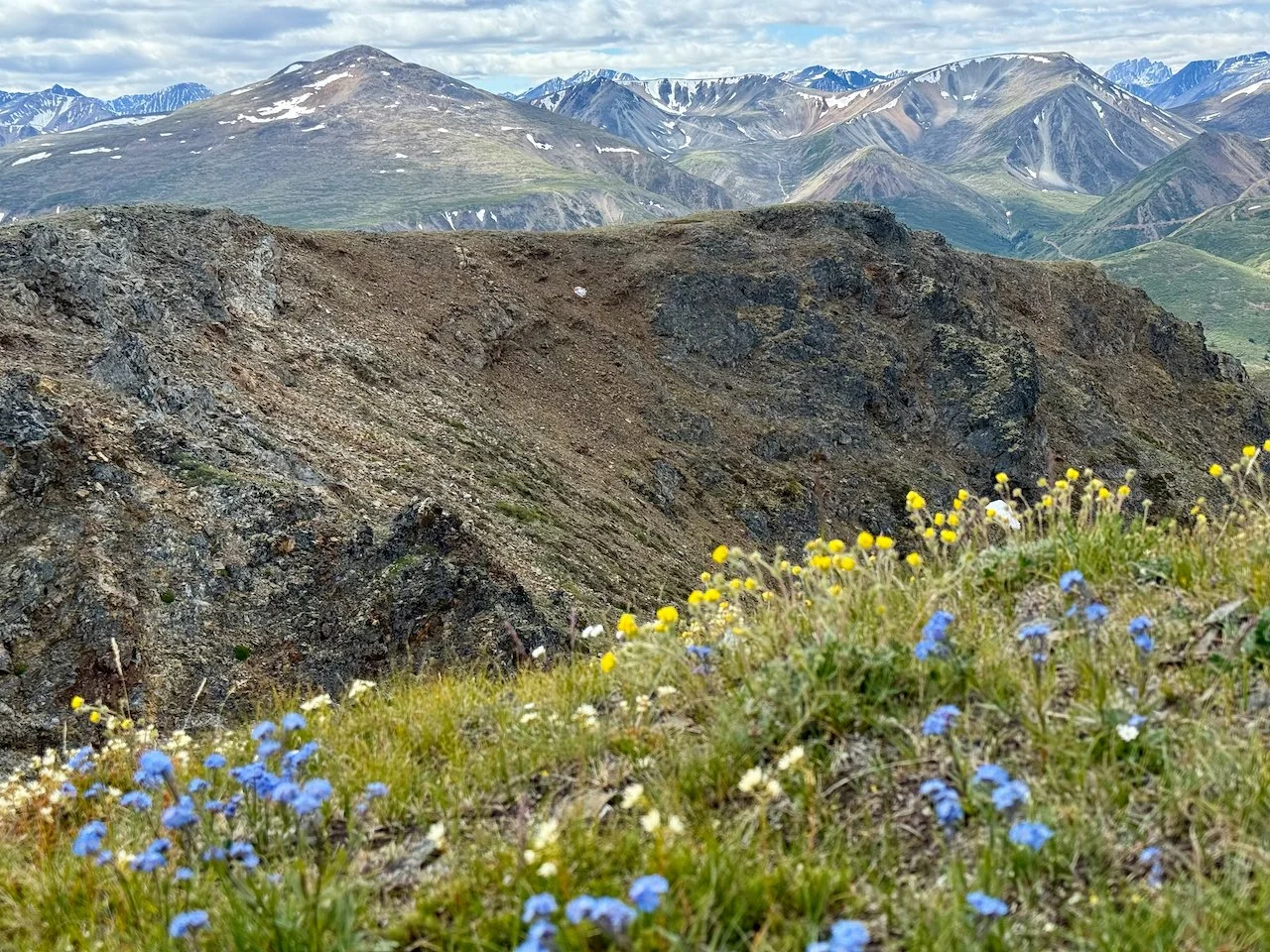
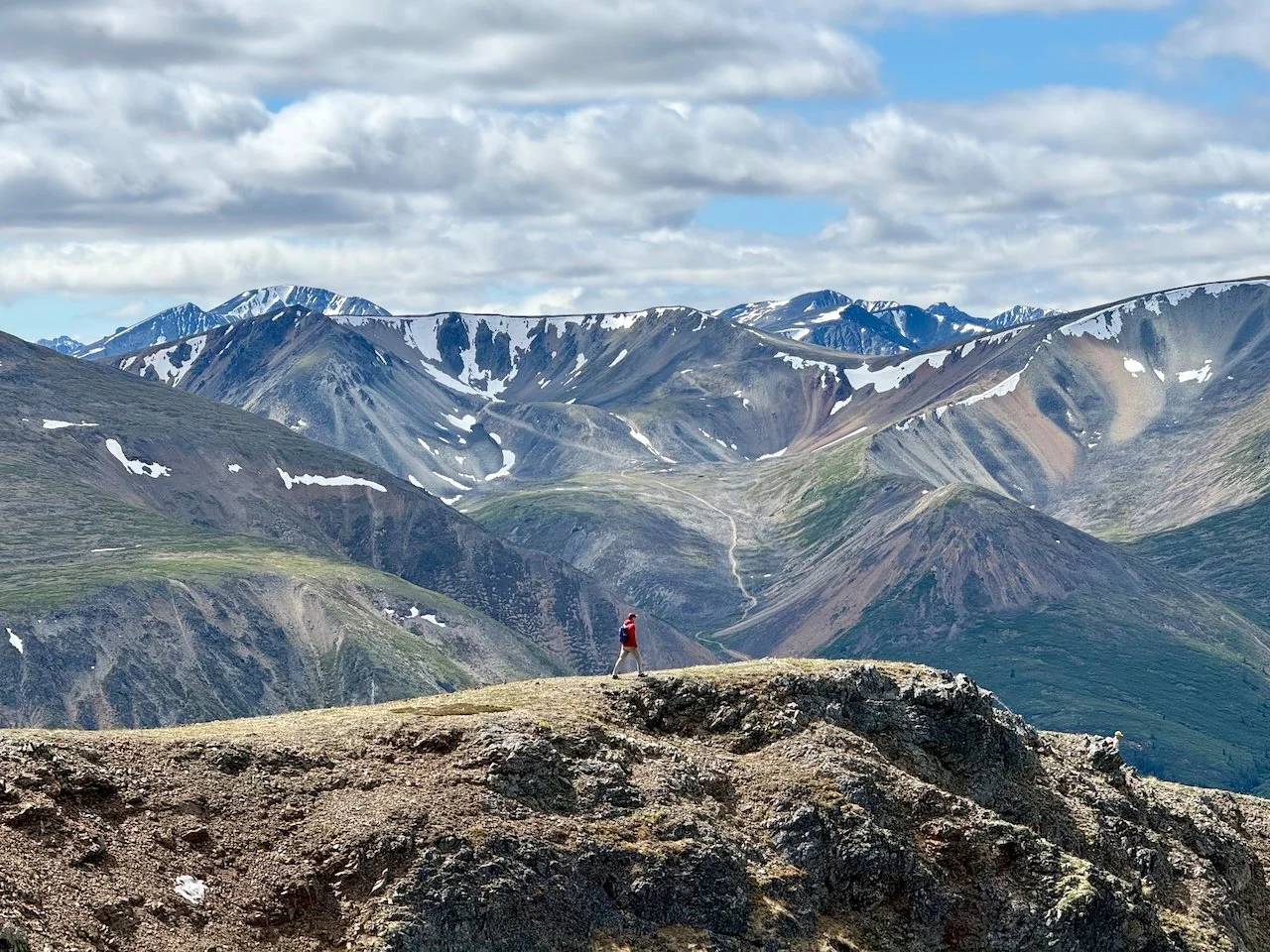
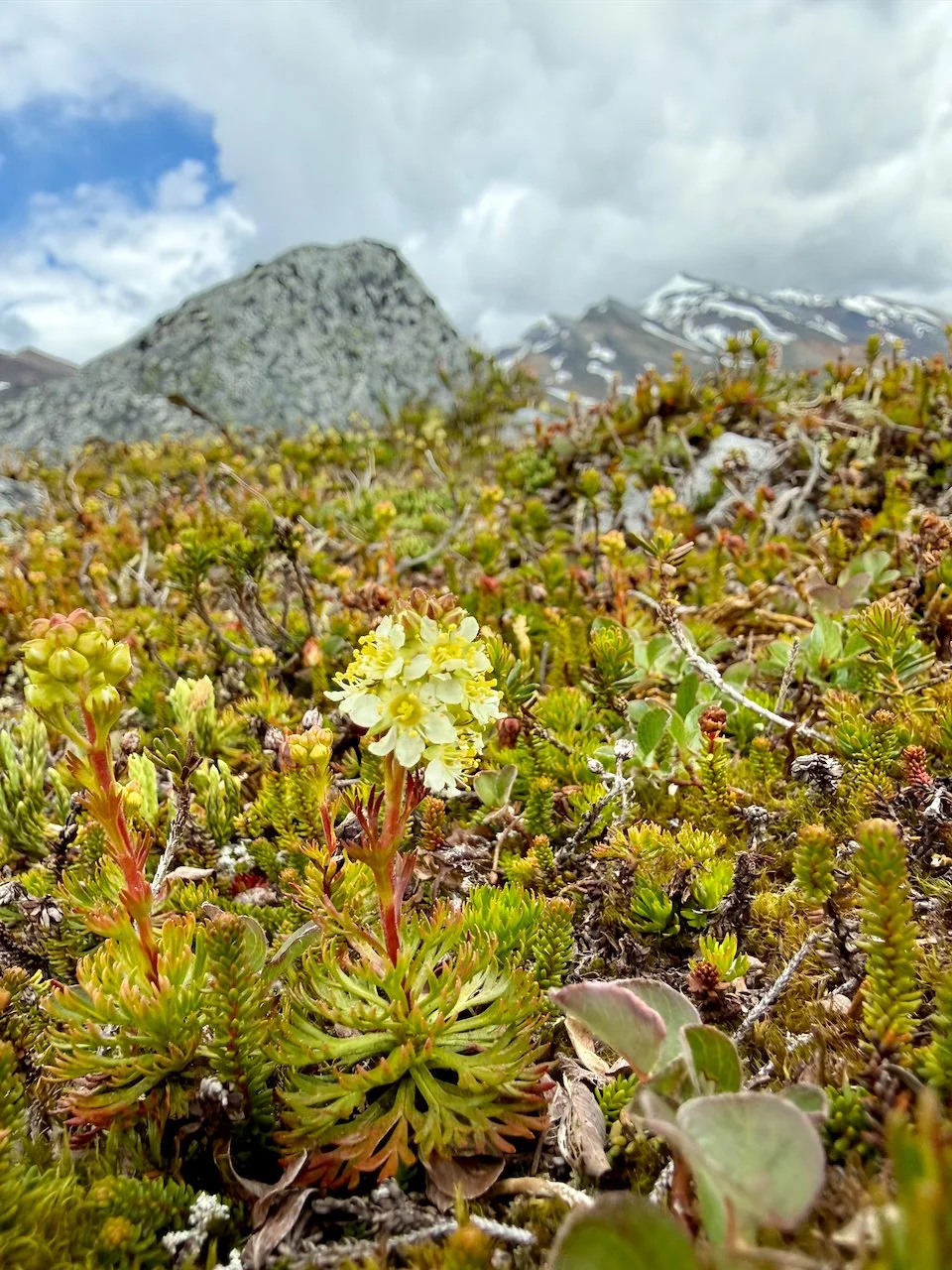
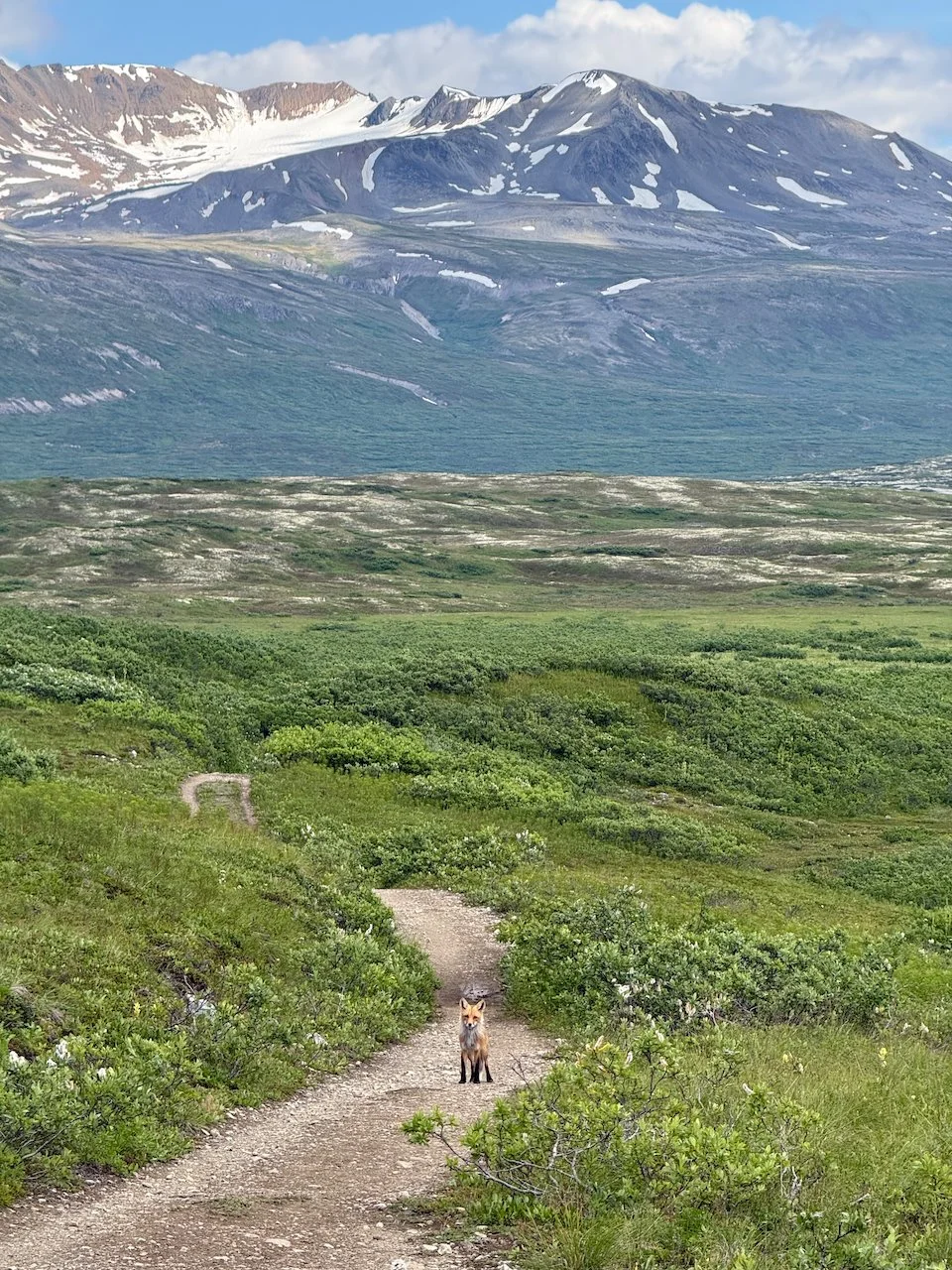
Mt Anderson: Our first hike near Carcross started by following an ATV road for several miles. The ATV track was uninspiring but common on many Yukon hikes. Once we got above the treeline we were rewarded with spectacular mountain views across open fields of alpine flowers.
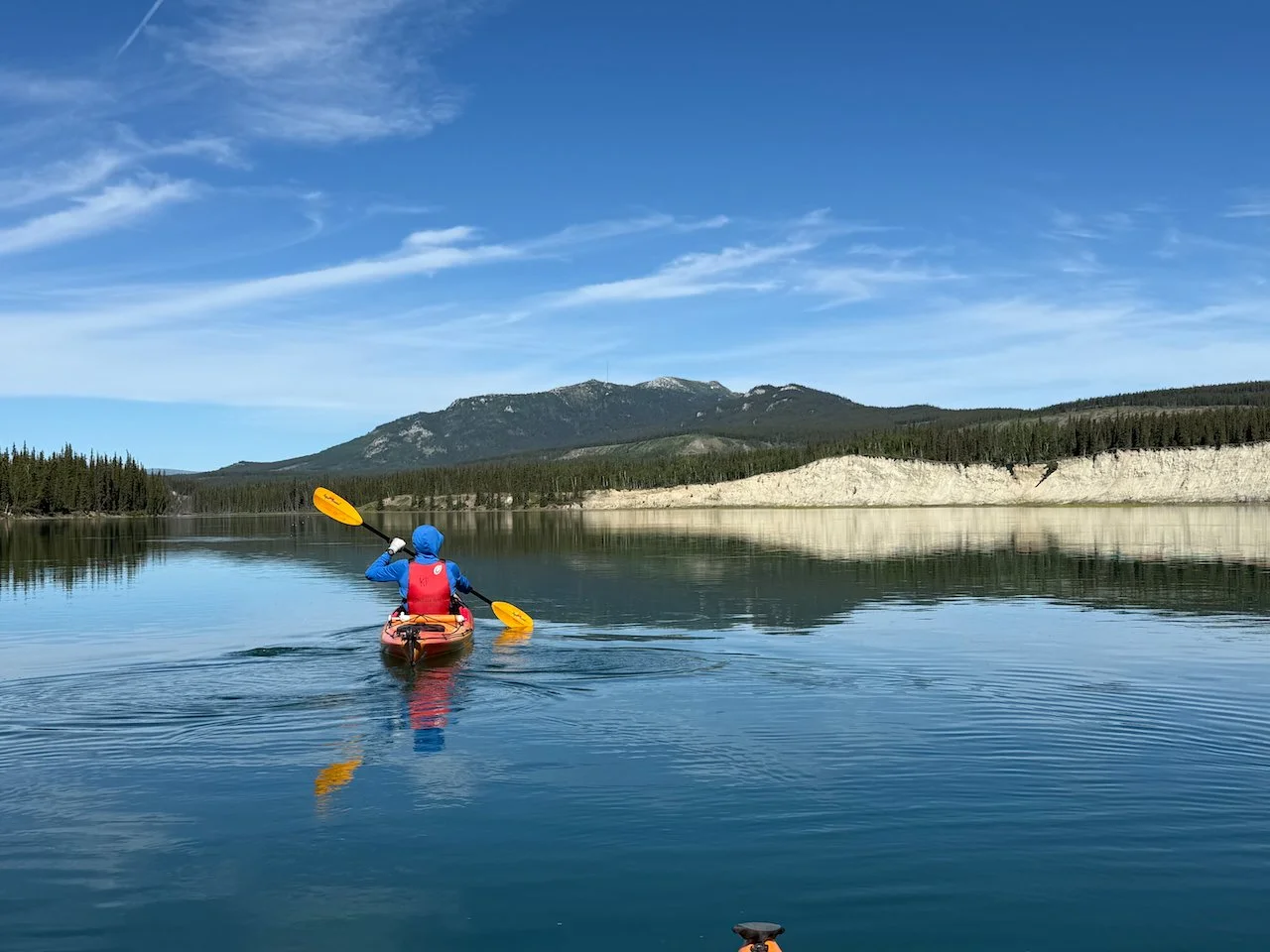
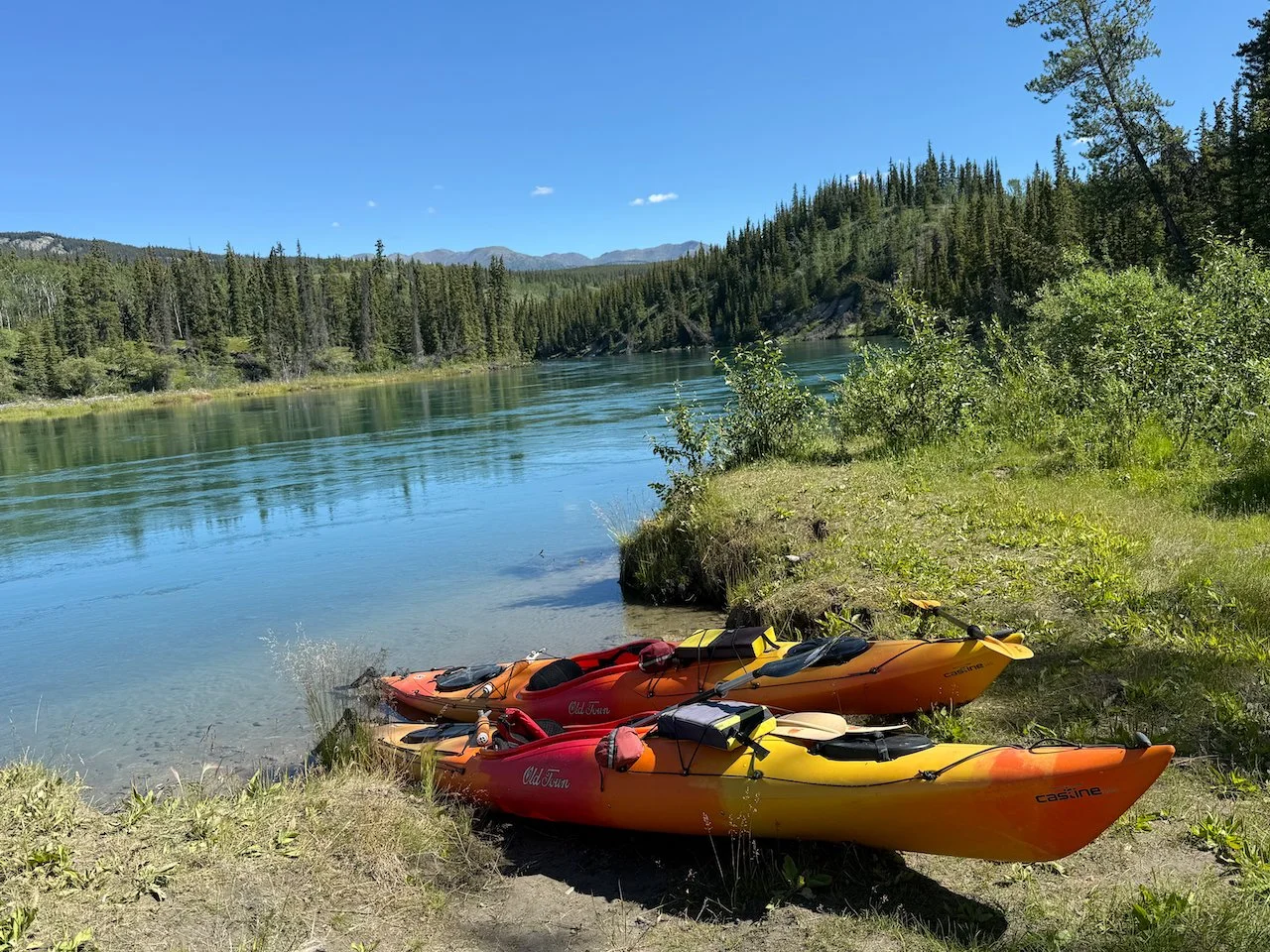
Yukon River Kayaking: For something a little different, we spent a day kayaking a 20 mile stretch of the Yukon river from Marsh Lake to Schwatka Lake near Whitehorse. When we reserved the kayaks by phone the clerk asked if we were comfortable handling the whirlpool in Miles Canyon. Whirlpool? We shrugged and hoped it couldn’t be too bad. The shuttle driver to Marsh Lake said we’d be fine as long as we could “read the river” and we’d hear it before we saw it. None of this was particularly comforting given we don’t really do river activities, but we figured they wouldn’t just rent us kayaks and send us off to our deaths. Ultimately, the Miles Canyon section was very fast moving and challenging, with currents bouncing off the narrow canyon walls in all directions, but we survived unscathed.
Otherwise the rest of the day was calm water and a relaxing paddle. We were alone for the first 10 peaceful miles of the river. It wasn’t until we neared Whitehorse we were joined by motor boats and paddle boarders.
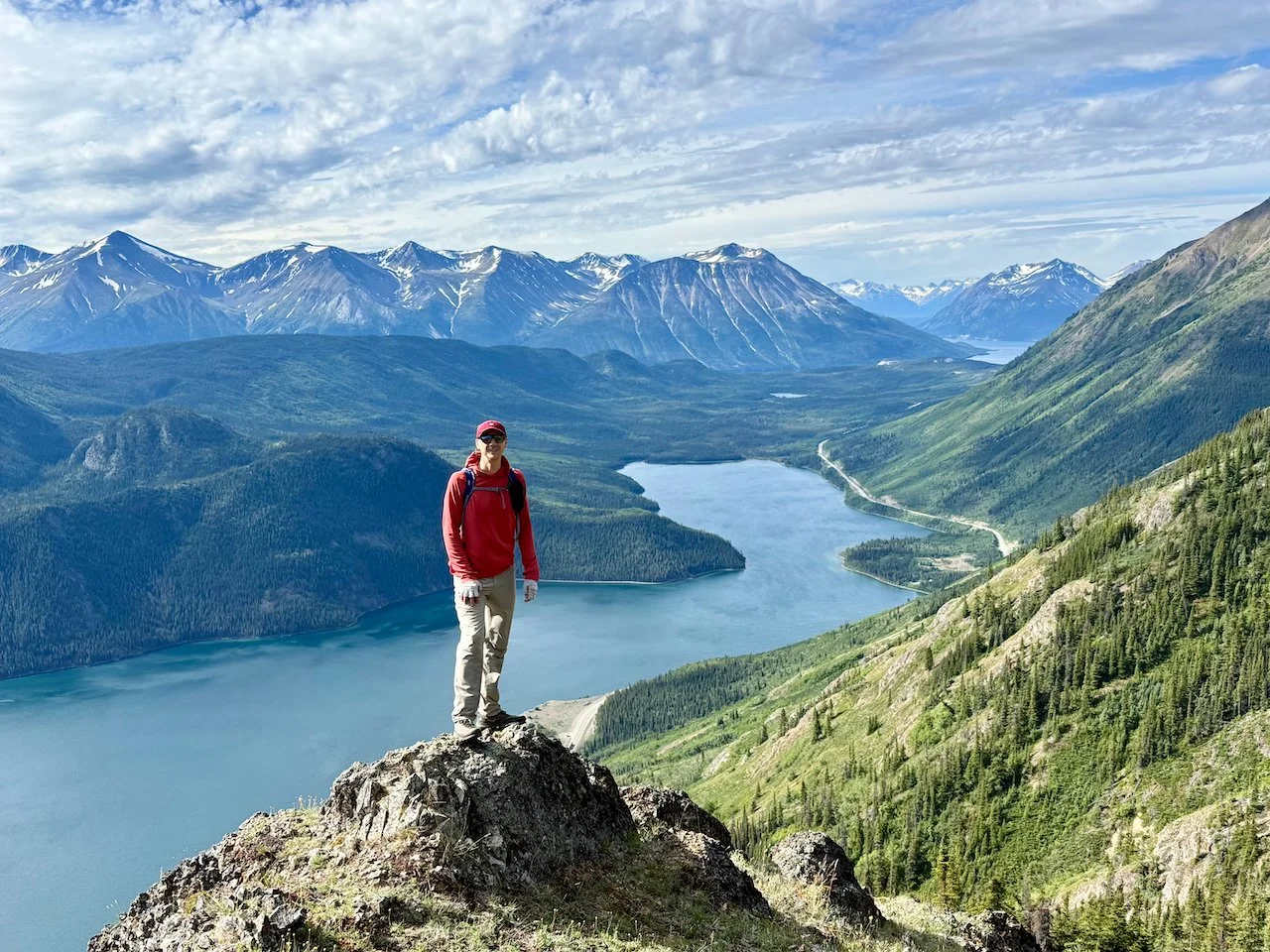
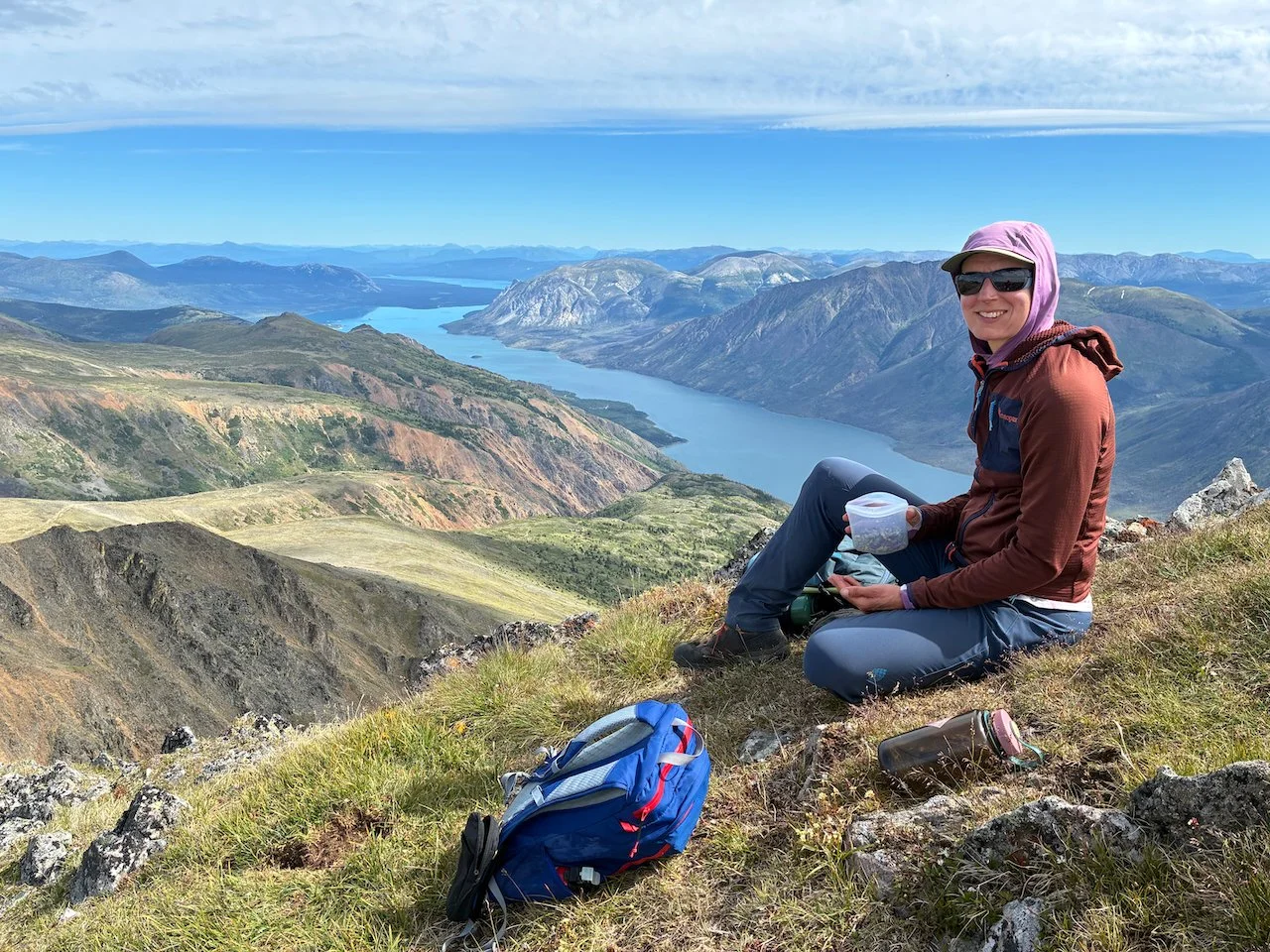
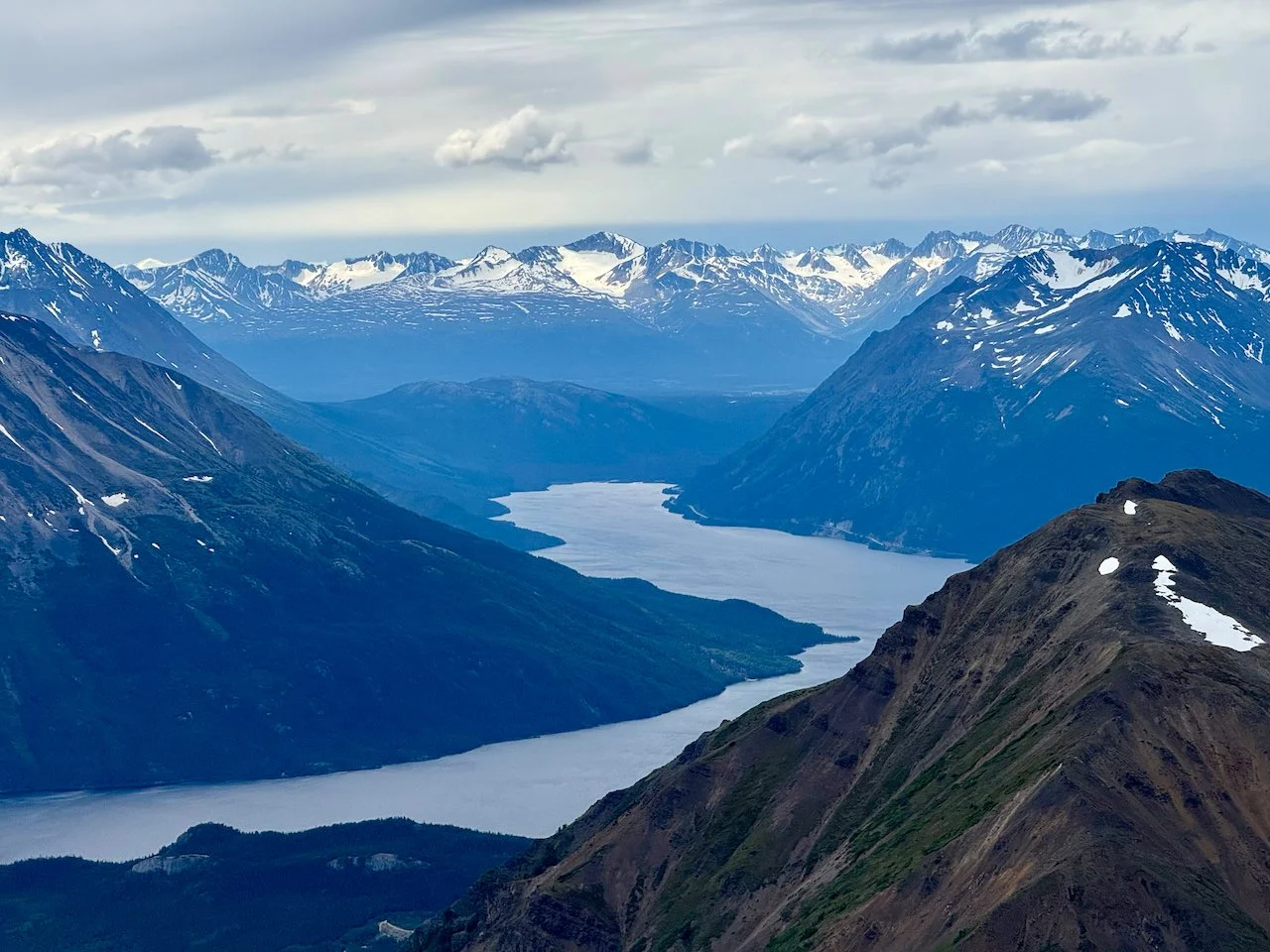
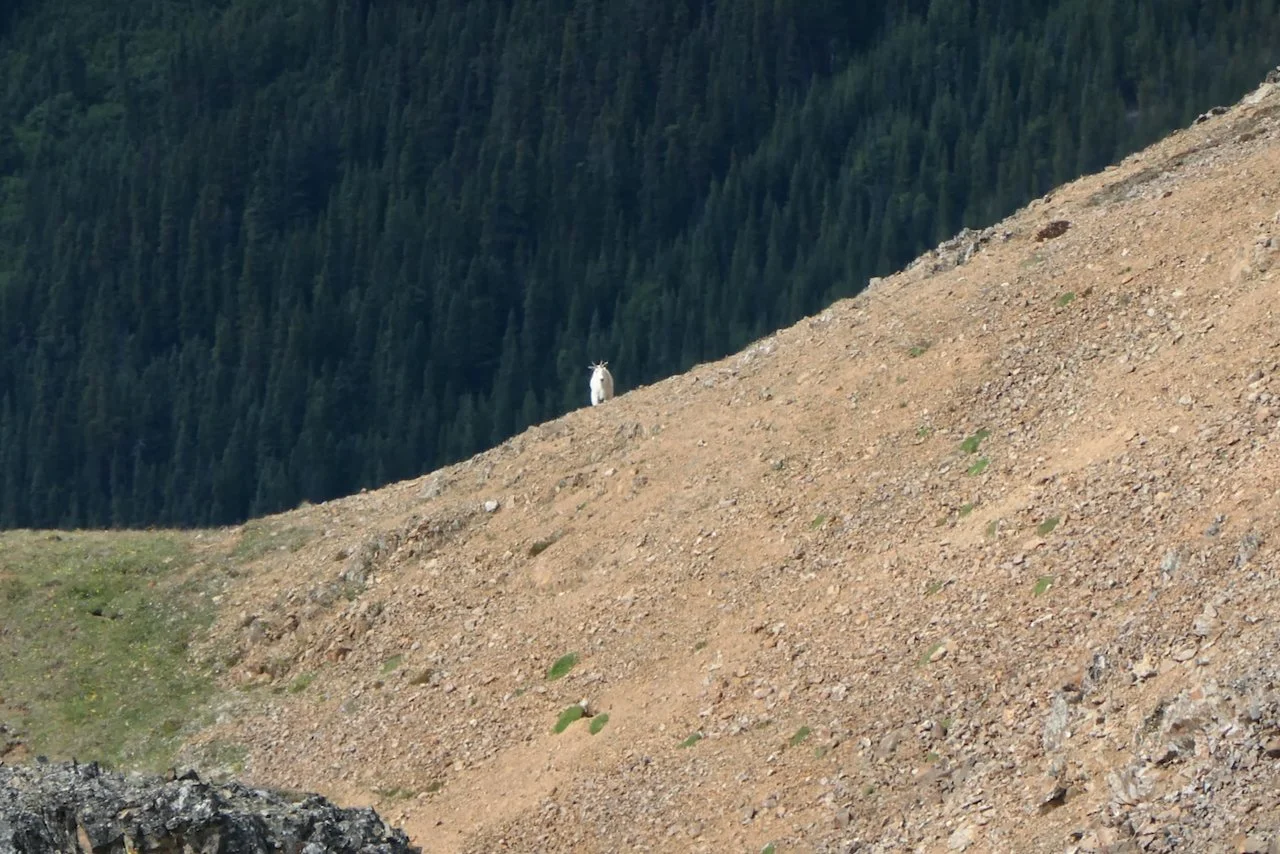
Dail Peak: This hike wasn’t on our initial list but Andrea suggested it after we decided to drop Tombstone from the itinerary. It turned out to be one of our favorites of the whole trip. The first half follows a rough, thigh-burning trail steeply uphill above Windy Arm on Tagish Lake. It mellows out when it merges with an ATV trail across a plateau northeast of the peak, before steepening into an off-trail route along the northeast ridge. The views of mountains sprouting straight out of Tagish and Tutshi Lakes were incredible. Plus we saw 5 different groups of mountain goats just below the summit.
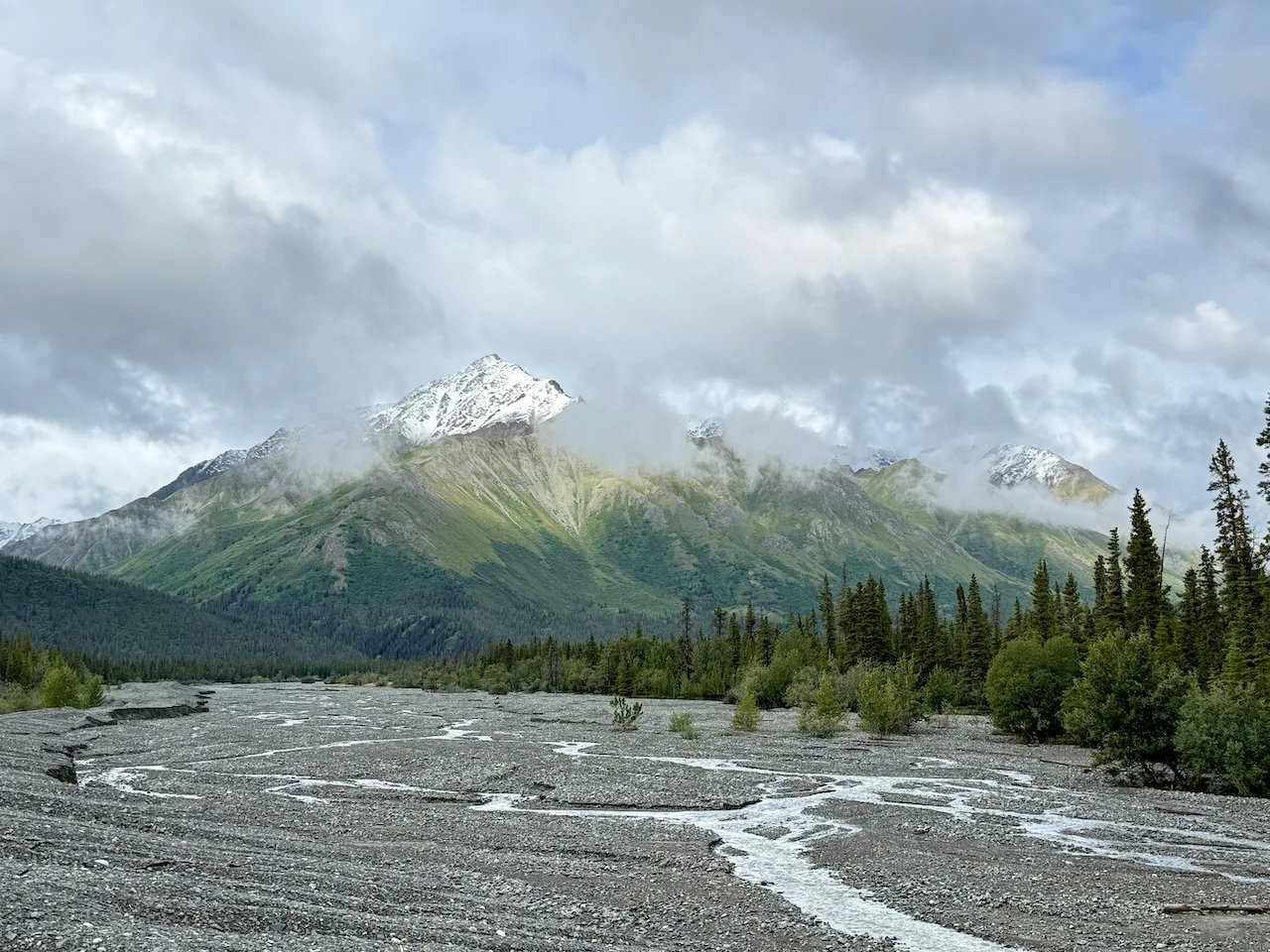
Congdon Creek: We spent a few nights at the Congdon Campground in Kluane National Park and used a mellow rest day to walk from camp across the highway to follow Congdon Creek for a few miles.
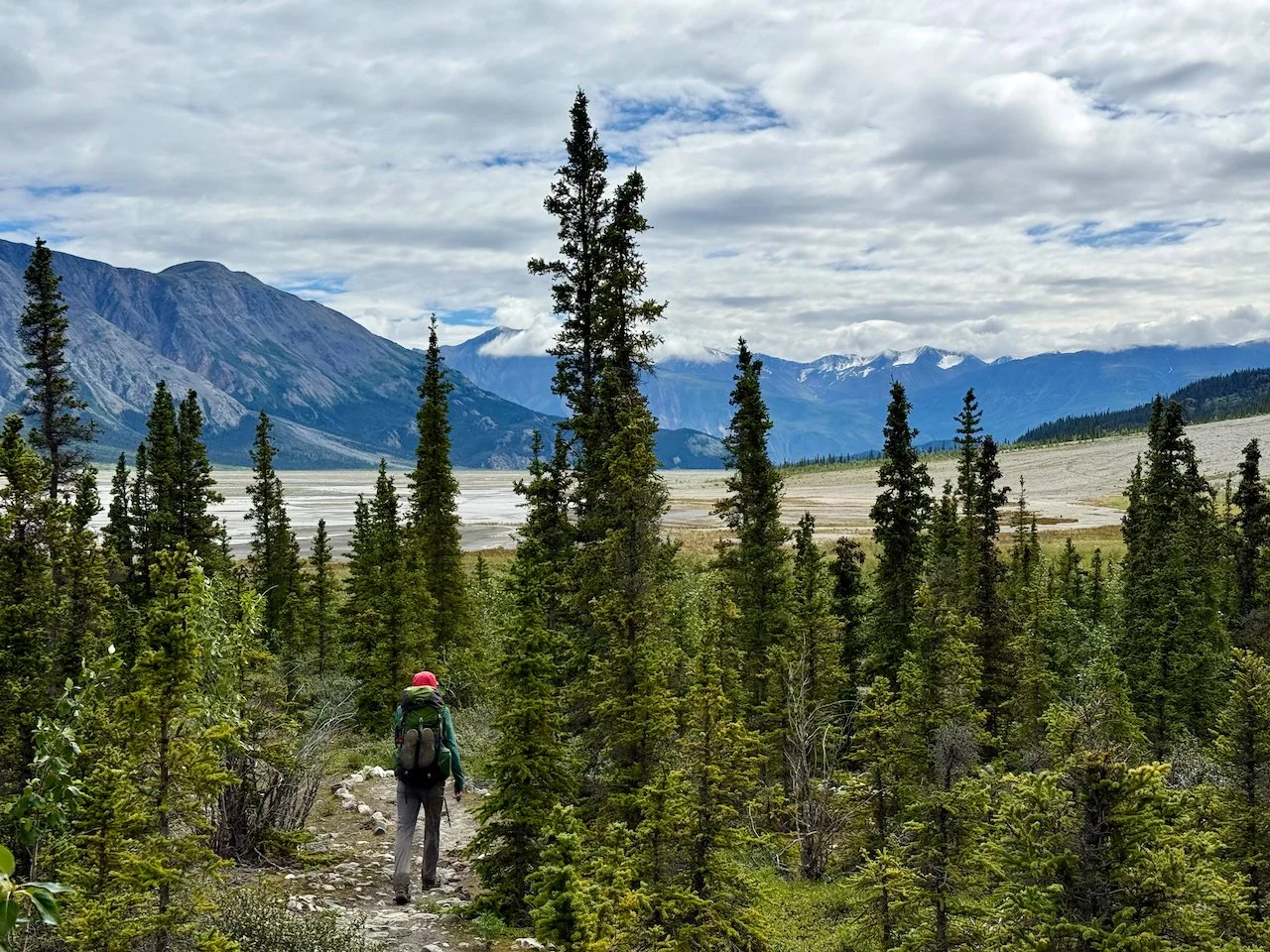
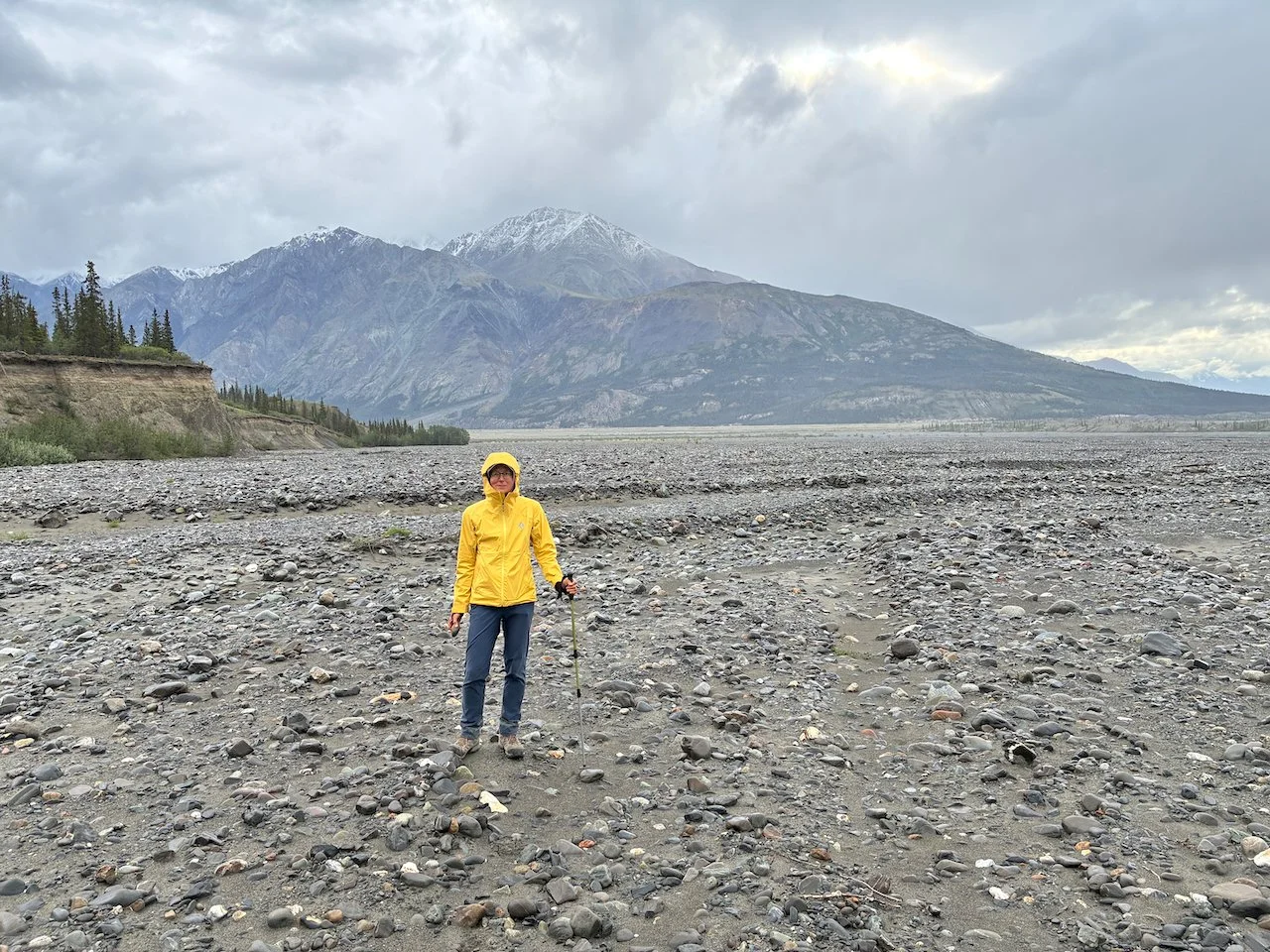
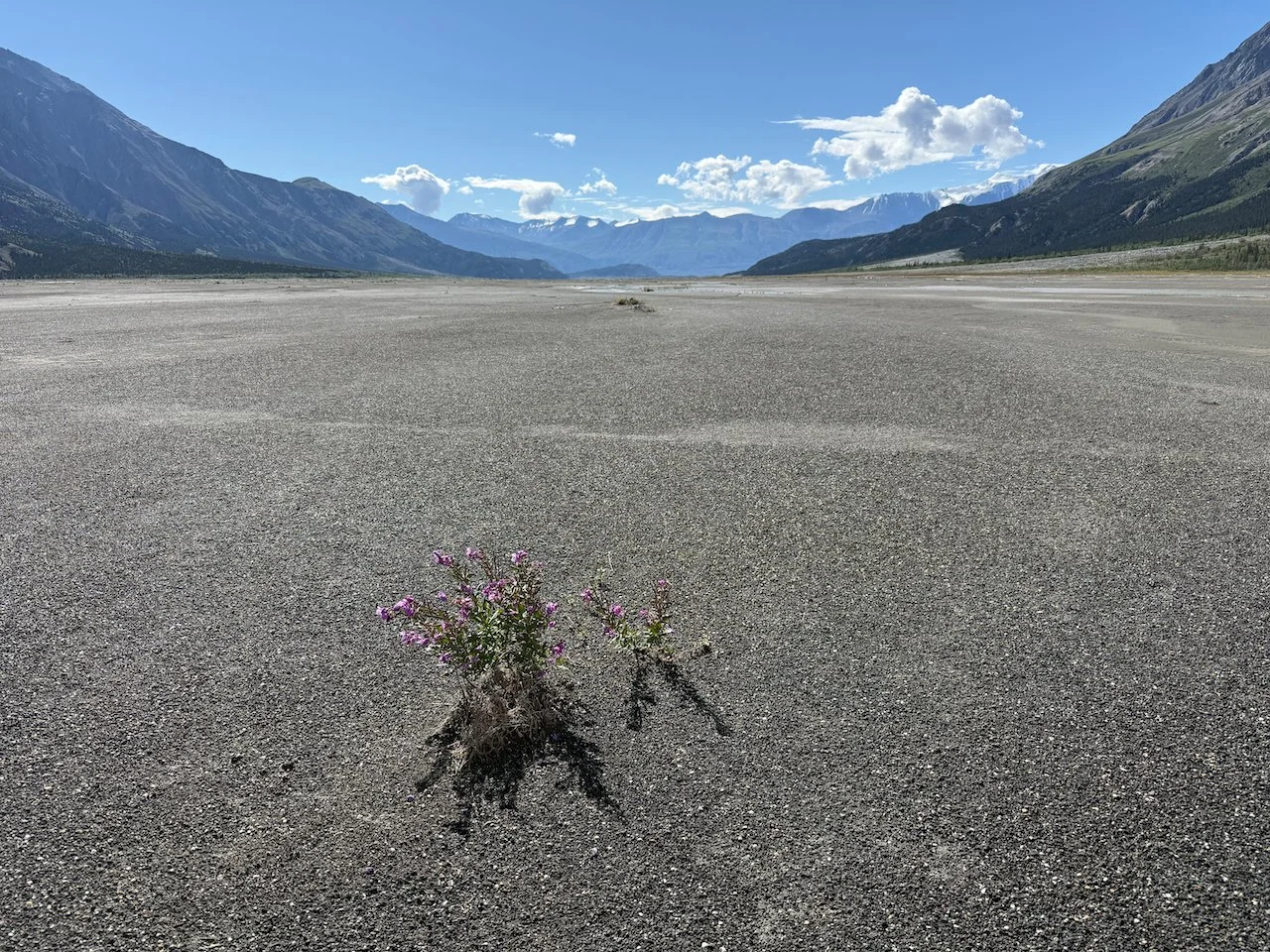
Slim’s River / Aay Chu: This backpacking route and its views of the Kaskawulsh Glacier were the inspiration for visiting southwest Yukon on this trip. It follows Slims River, or Aay Chu as the Kluane First Nations call it, for 14 miles to a designated backcountry camping spot. These days the river is more a series of marshes, mud bogs and sandy beaches than a full river. The Kaskawulsh Glacier receded back past the opening to the Slims River valley in 2016 and now most of the glacier’s meltwater flows into a different river, leaving Slims a tiny fraction of what it once was. This made camping complicated as there wasn’t any good water nearby. We pulled silty water from a sliver of stream flowing about a half mile from camp for drinking and cooking.
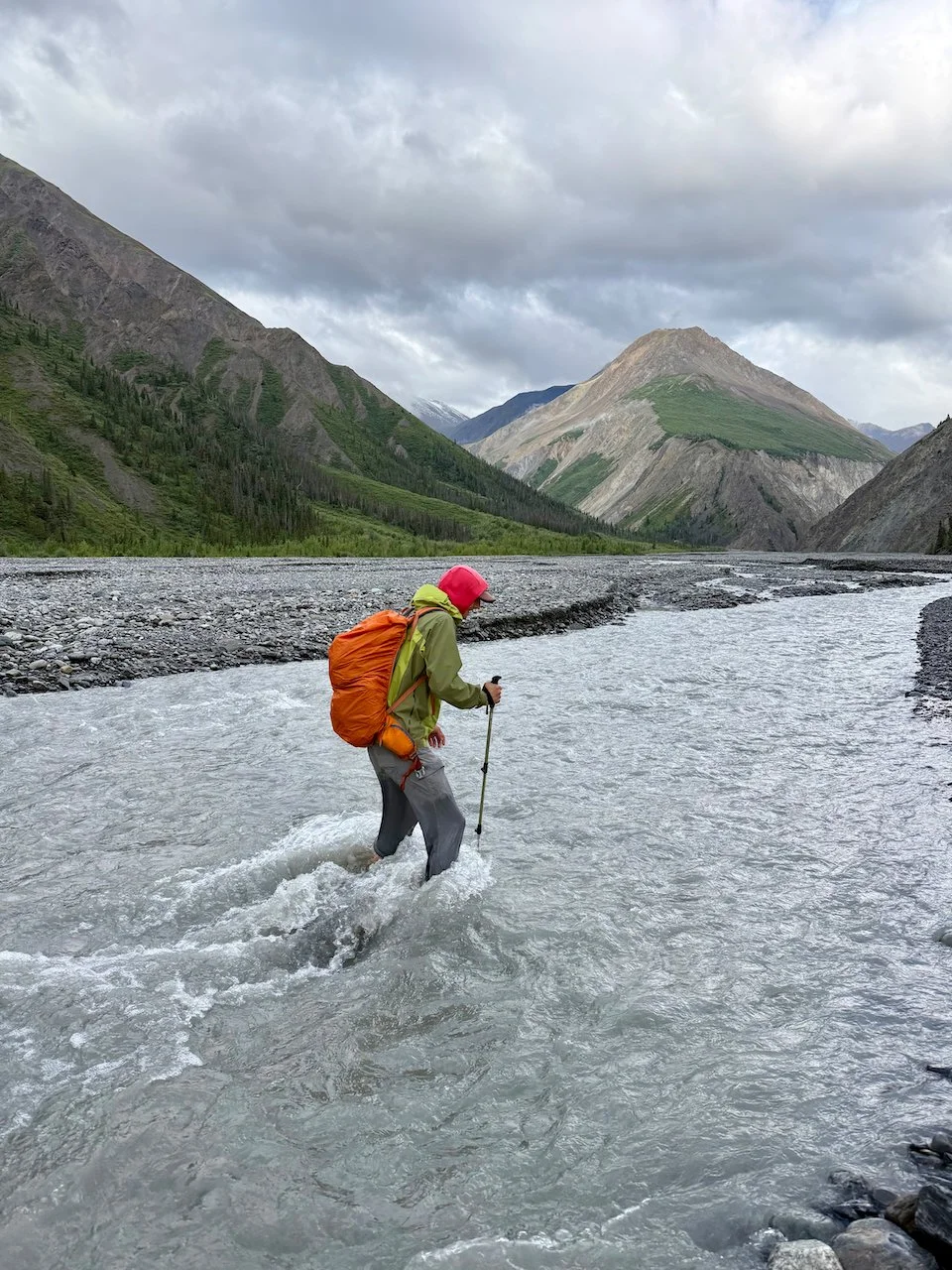
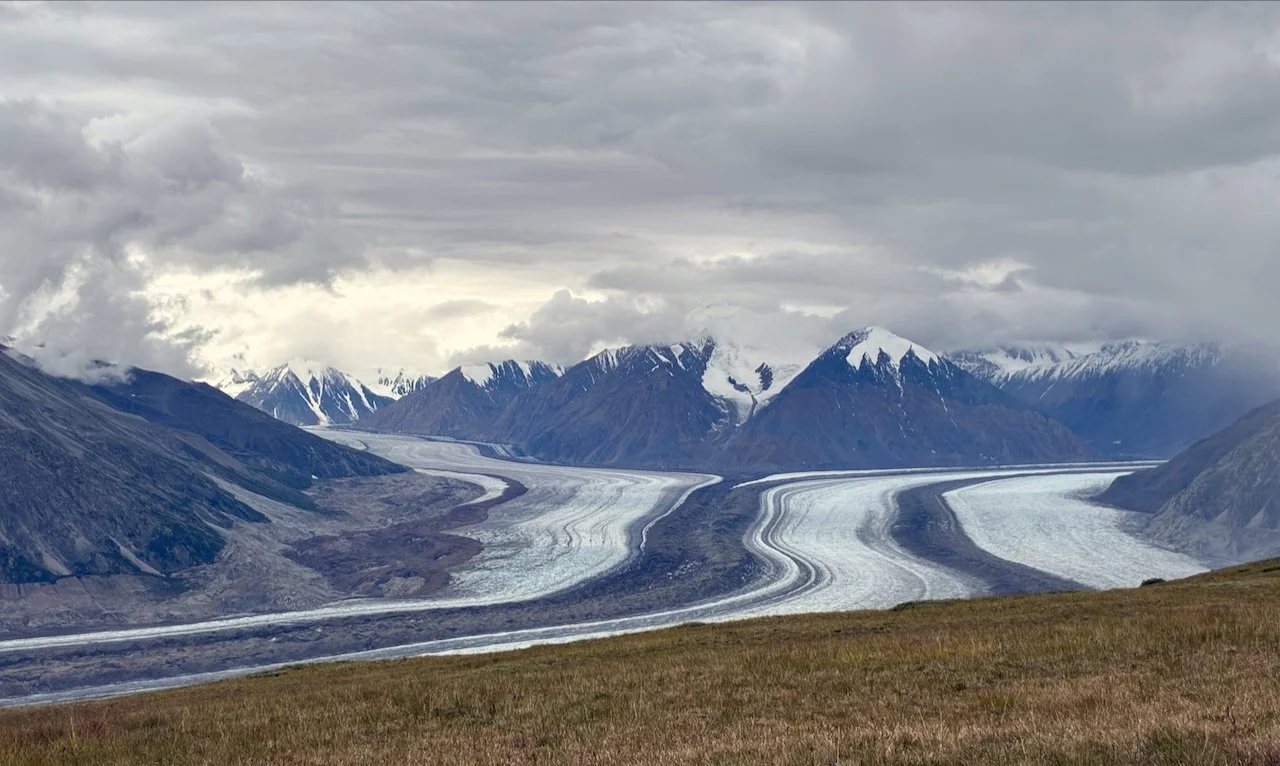
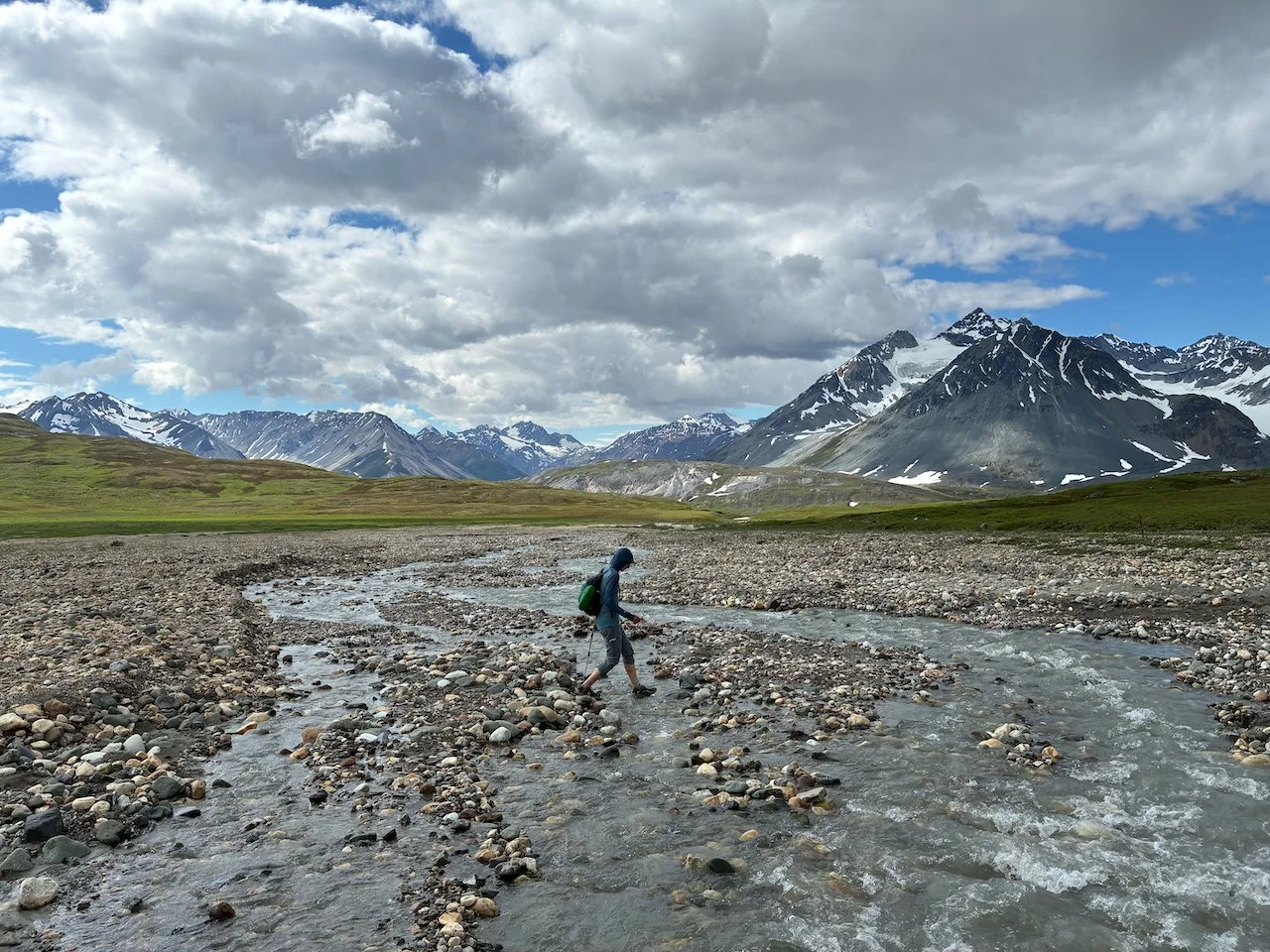
From the backcountry campsite, a steep hike up Observation Mountain to a wide shoulder on its west side leads to stunning views of the Kaskawulsh Glacier. Reaching Observation Mountain included a challenging crossing of Canada Creek, which was running fast and took us about 30 minutes to find a workable crossing. Northwest of Observation Mountain, Columbia Creek drops thousands of feet from out-of-sight, alpine snowfields carving a beautiful steep-sided valley between rocky, multi-colored peaks.
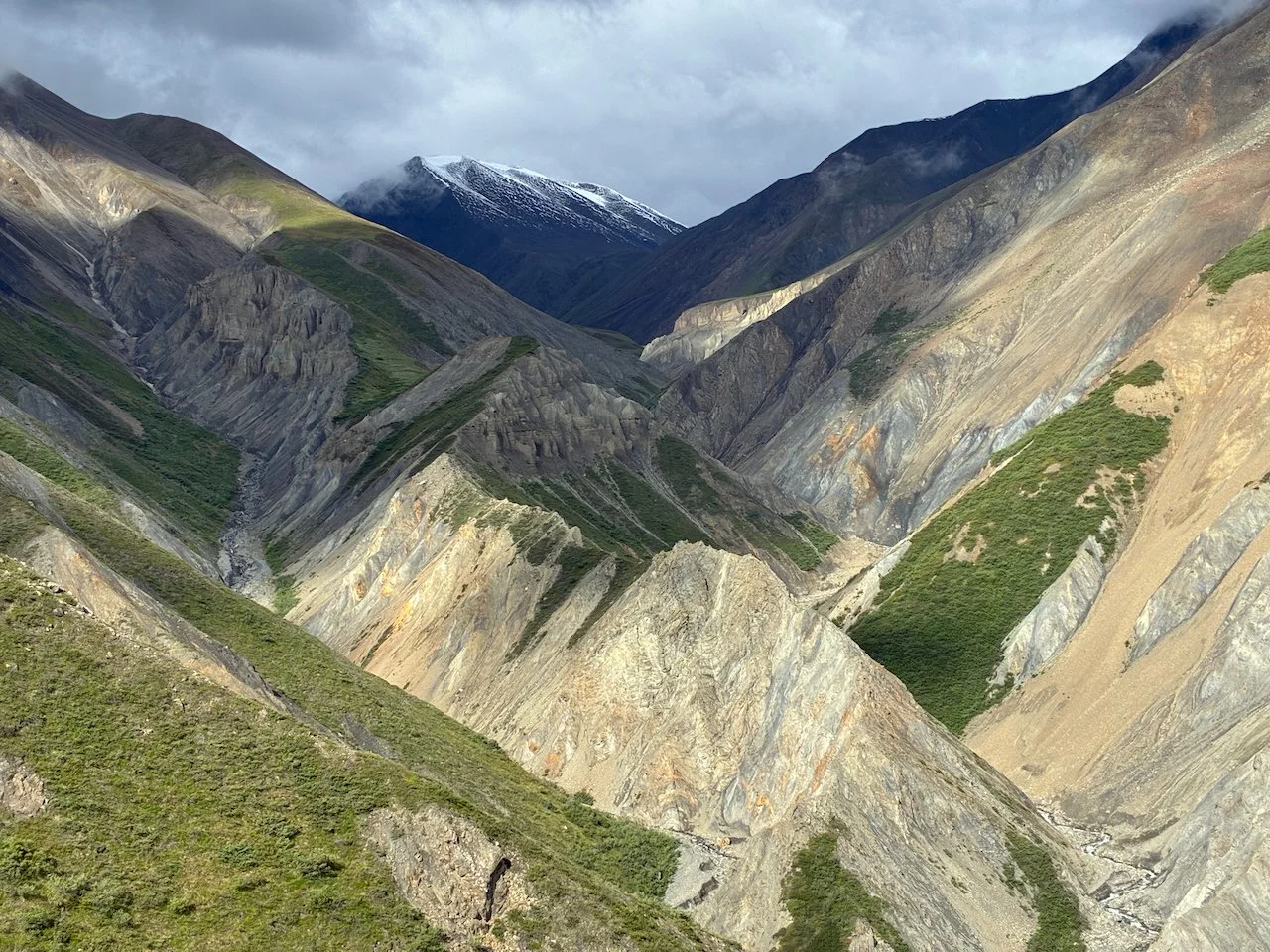
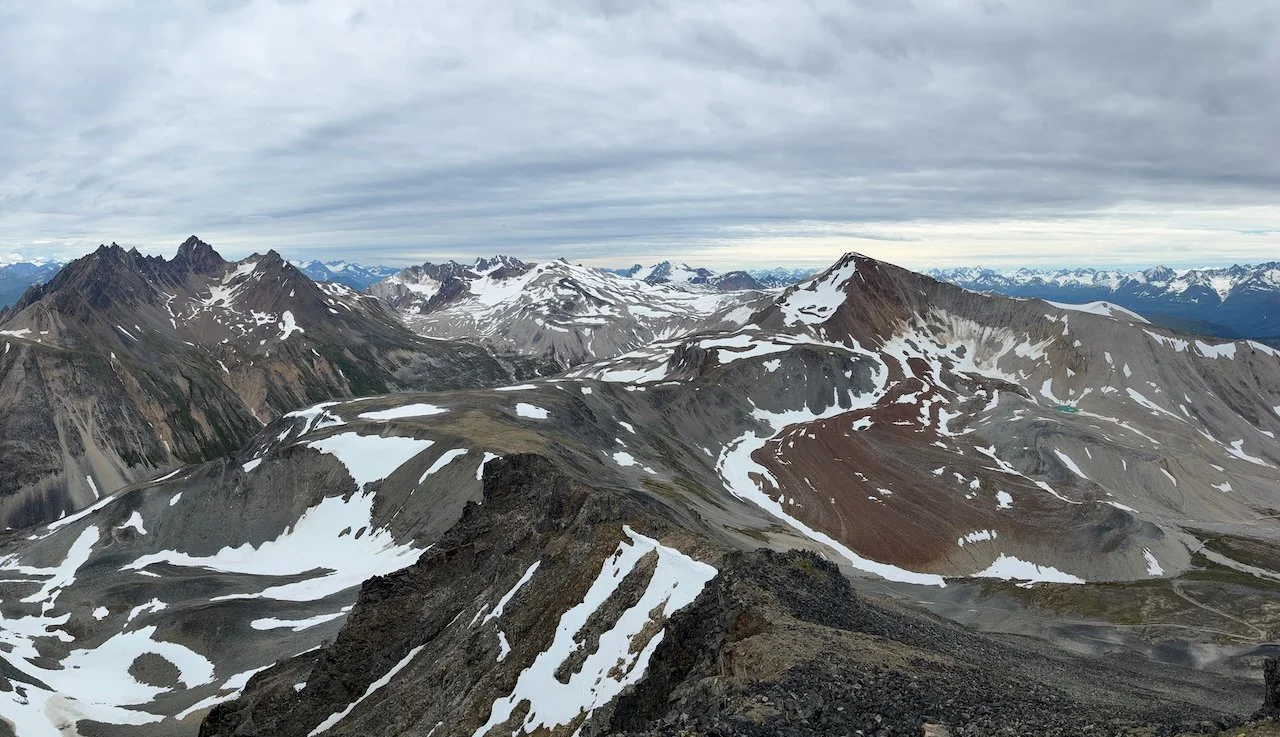
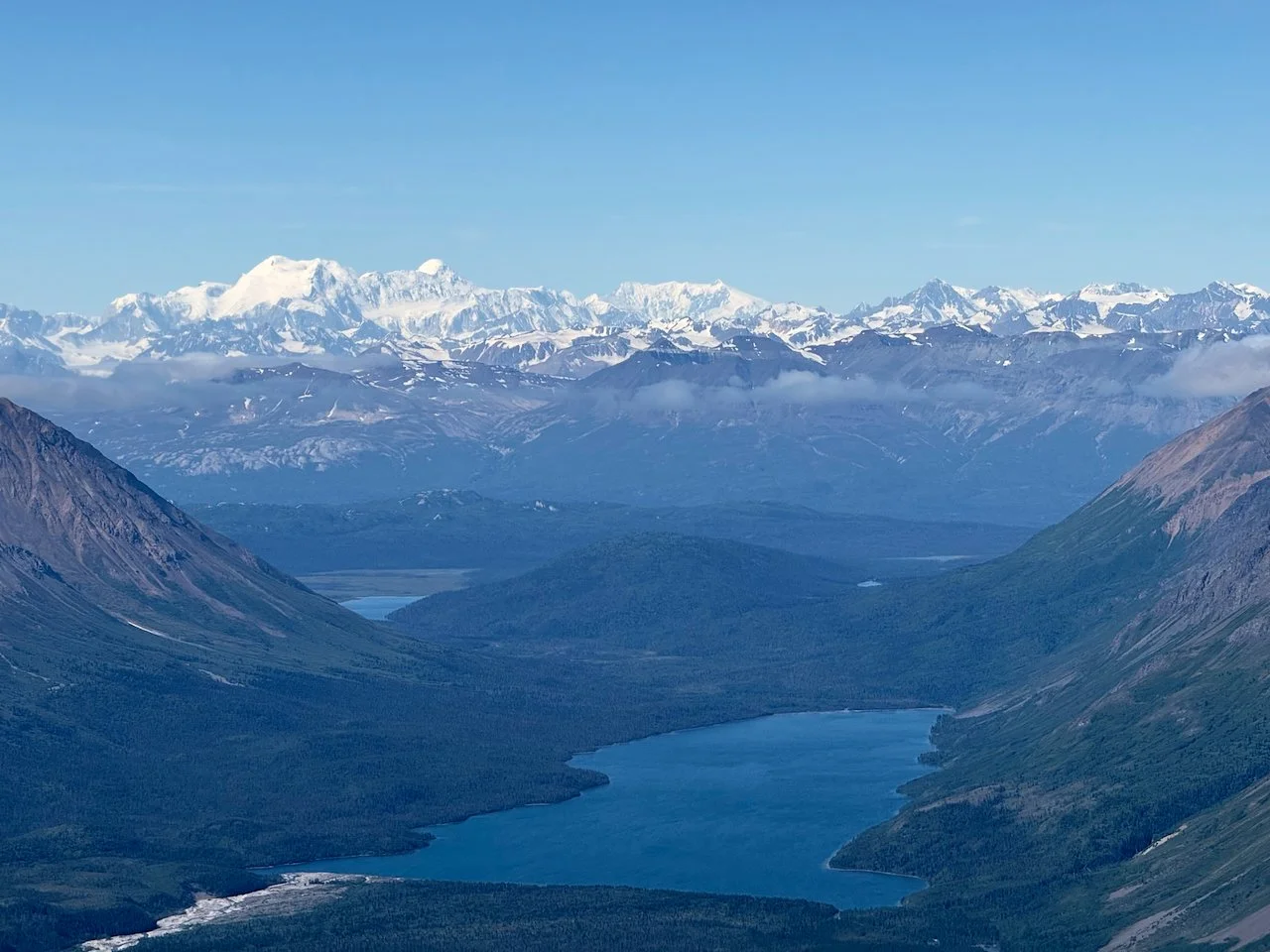
Three Guardsmen: Like many other hikes in this area, the trail begins on an ATV track near Haines Pass, about halfway between Haines Junction, YT and Haines, AK. After 2 miles the route leaves the track and heads off trail straight up the west side of Three Guardsmen. The top of the climb isn’t really a summit, it is more of a local high point along a ridgeline that leads to Glave peak, which could be reached with a much more technical scramble route through steep, loose rock. We were happy to stop at Three Guardsmen and enjoy the great views of surrounding peaks in southeast Alaska, northern BC and southern Yukon. We could see bits of the Samuel Glacier to the northwest, where we’d be hiking next.
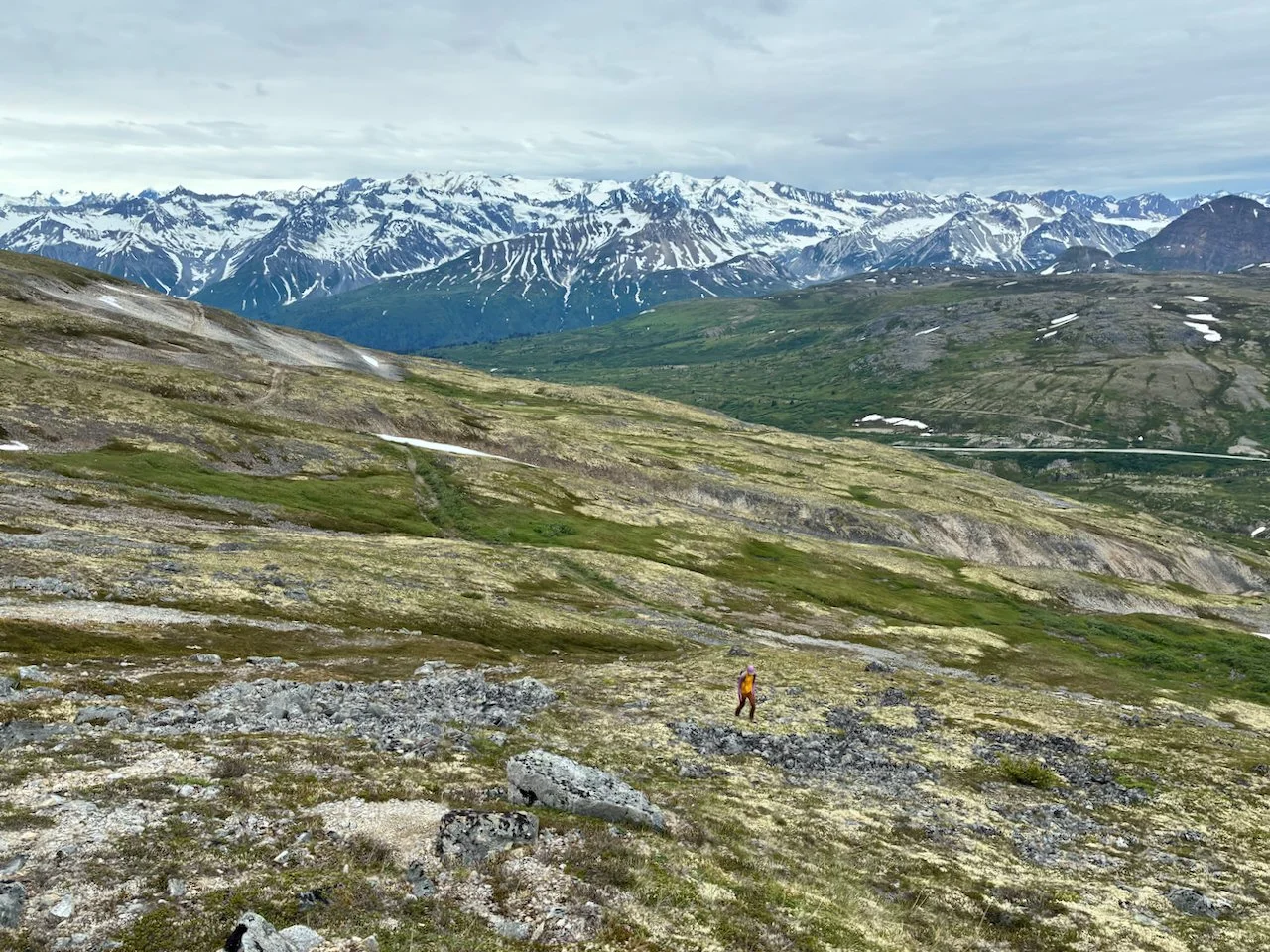
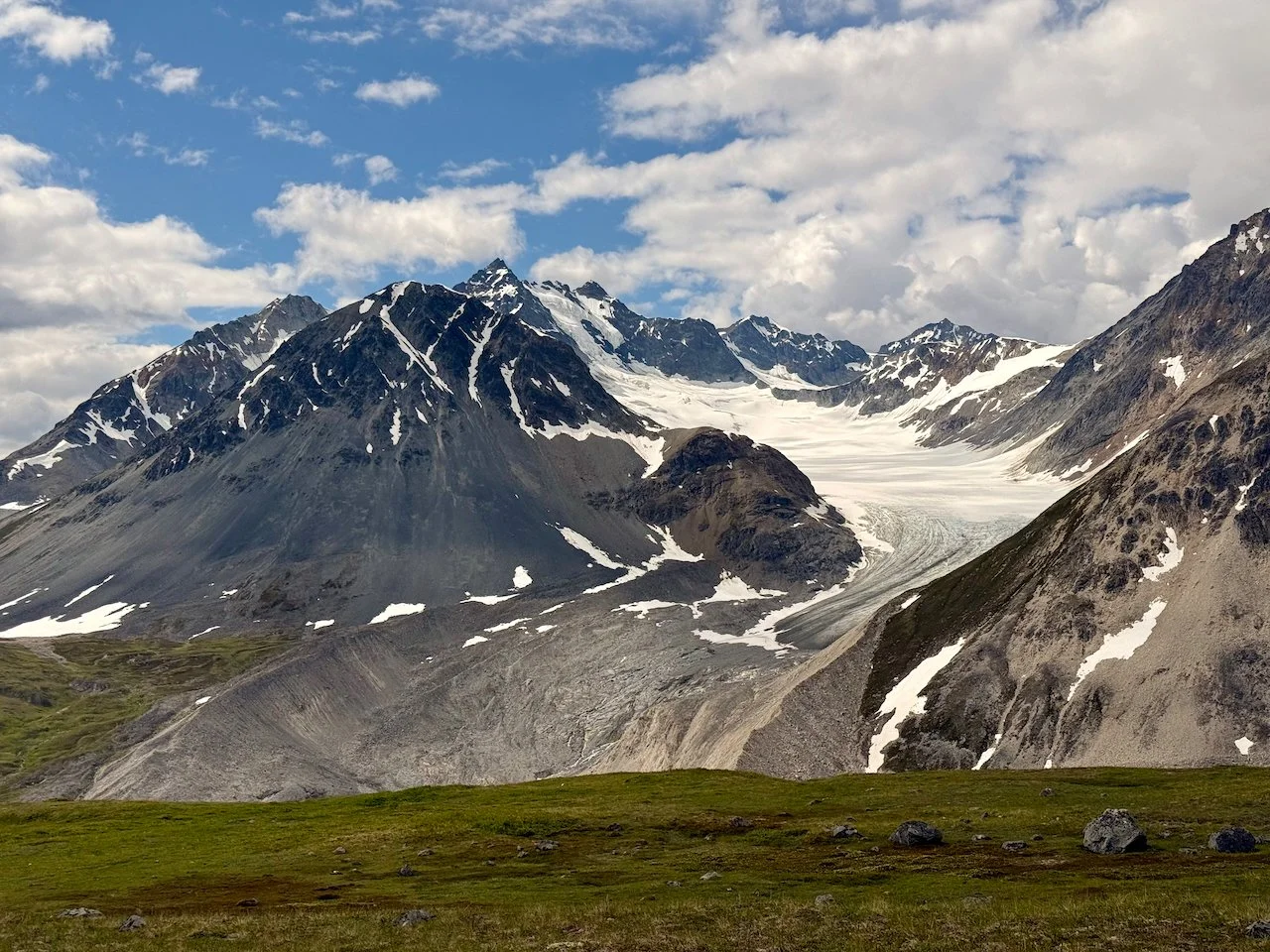
Samuel Glacier: This was another hike not in our original plan that became a highlight. It is the only maintained trail in all of Tatshenshini Alsek Provincial Park’s 2.4 million acres. The park, which is co-managed by the British Columbia provincial government and the Champagne and Aishihik First Nations, was established in 1993 and is mainly focused on protecting the Tatshenshini and Alsek rivers. The trail leaves from the Haines Highway and travels through open sub-alpine meadows before reaching a stunning Samuel Glacier viewpoint. In 1999 remains of the “Canadian Ice Man” or “Kwäday Dän Tsʼìnchi” were found on the edge of the glacier and identified as a member of the Champagne and Aishihik First Nations from 300 to 550 years ago.
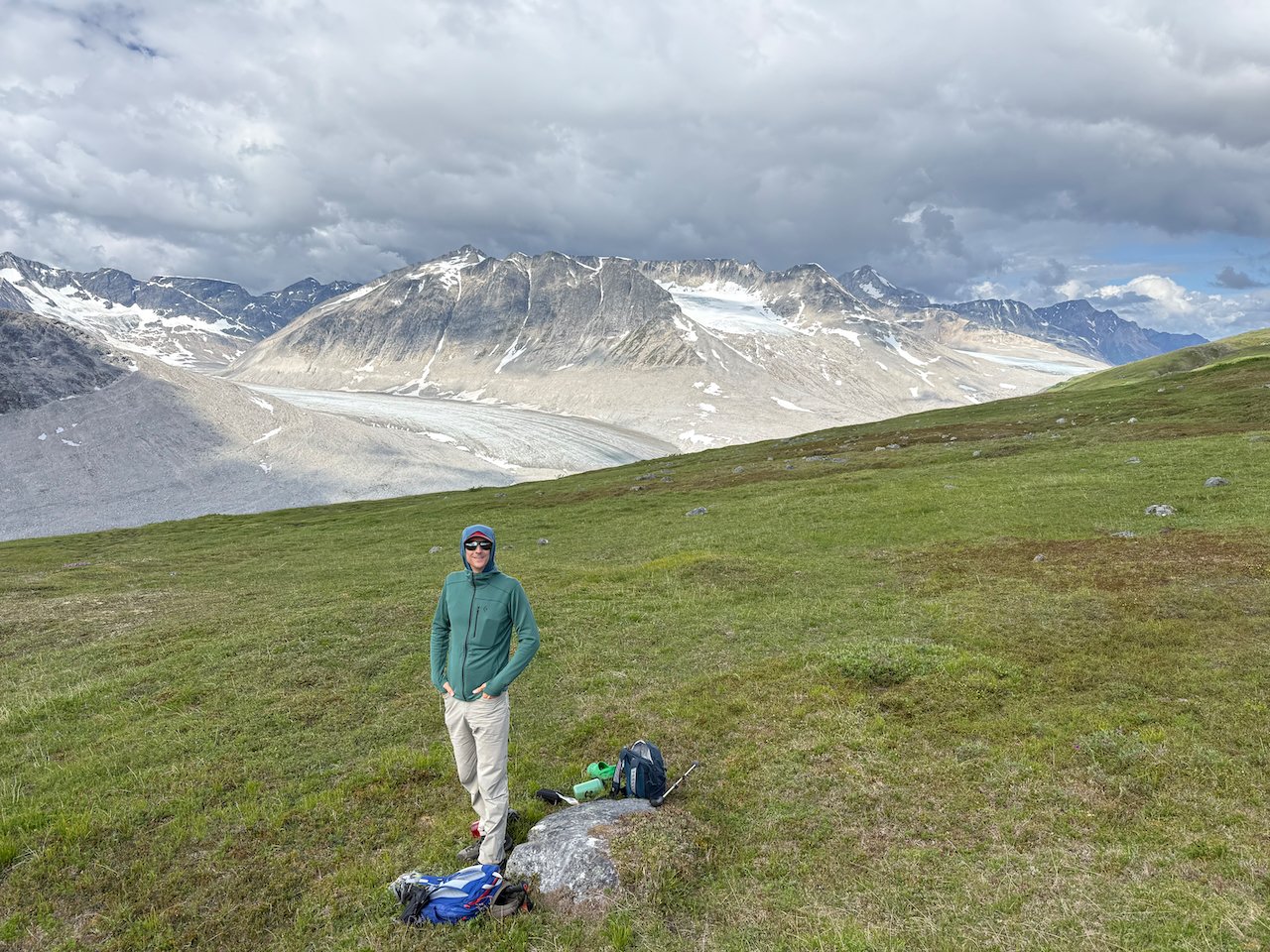
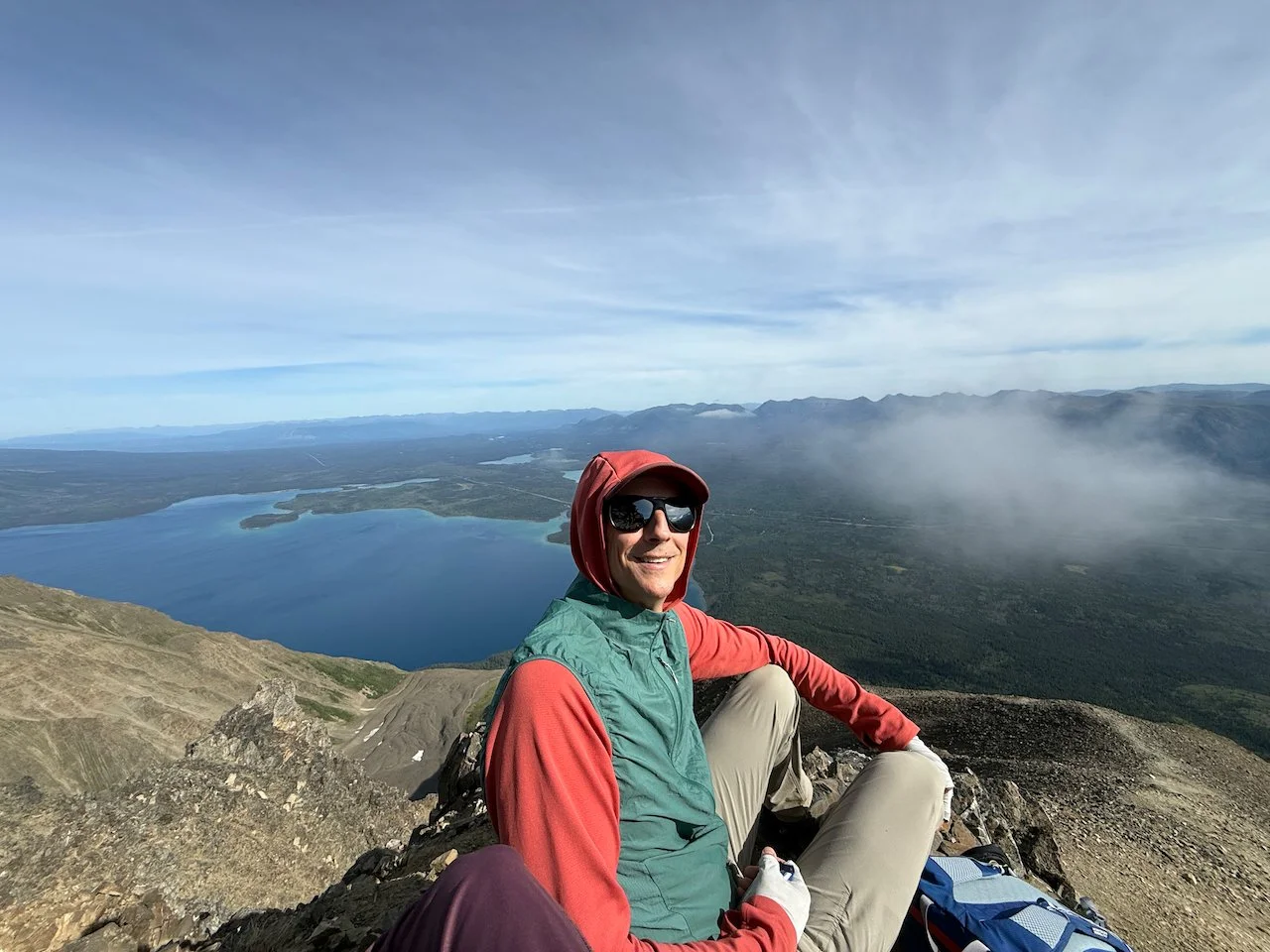
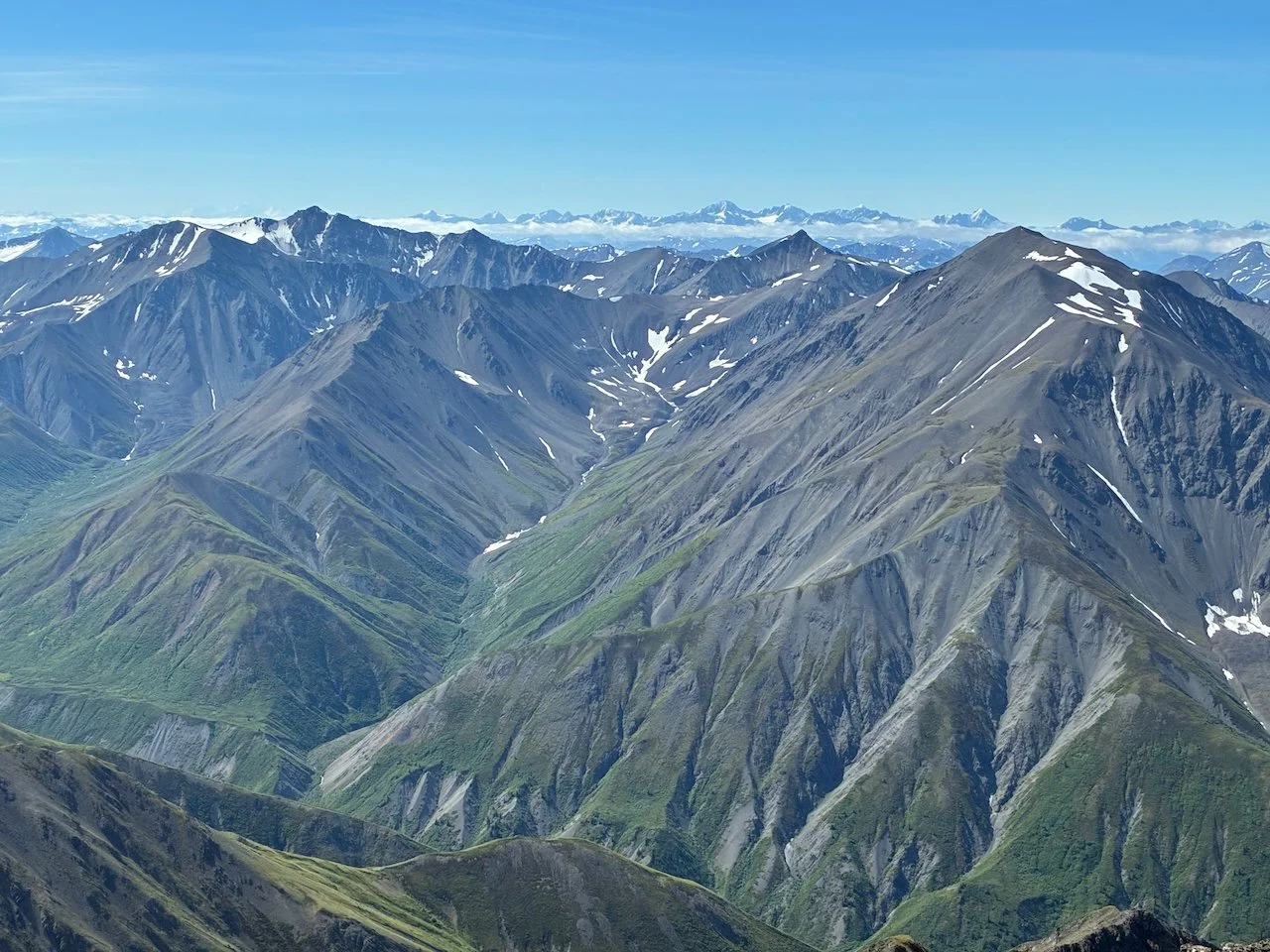
King’s Throne / Dalton NW7: After Slim’s River, Kings Throne is the most well known hike in Kluane National Park. It rises 4,500 feet above Kathleen Lake on a steep trail full of loose rock. I’m shocked it is so popular given the difficulty. The King’s Throne trail also provides easy access to a scramble route to its taller, unnamed neighbor informally known as Dalton NW7. Breaking off from the King’s Throne summit ridge to climb up the jagged north ridge of Dalton NW7 provided some much needed solitude in such a popular area. Oh and great mountain views too, of course.
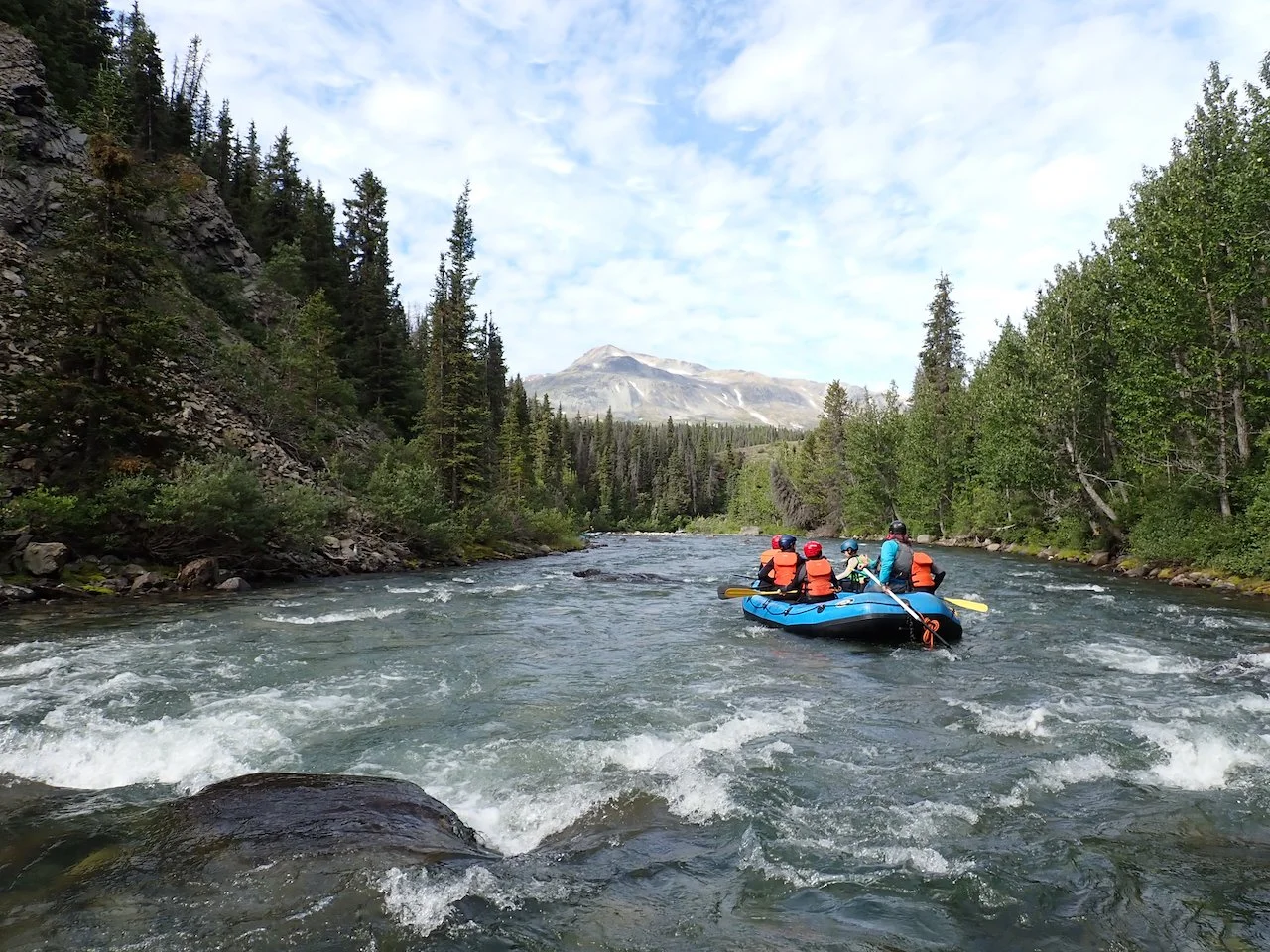
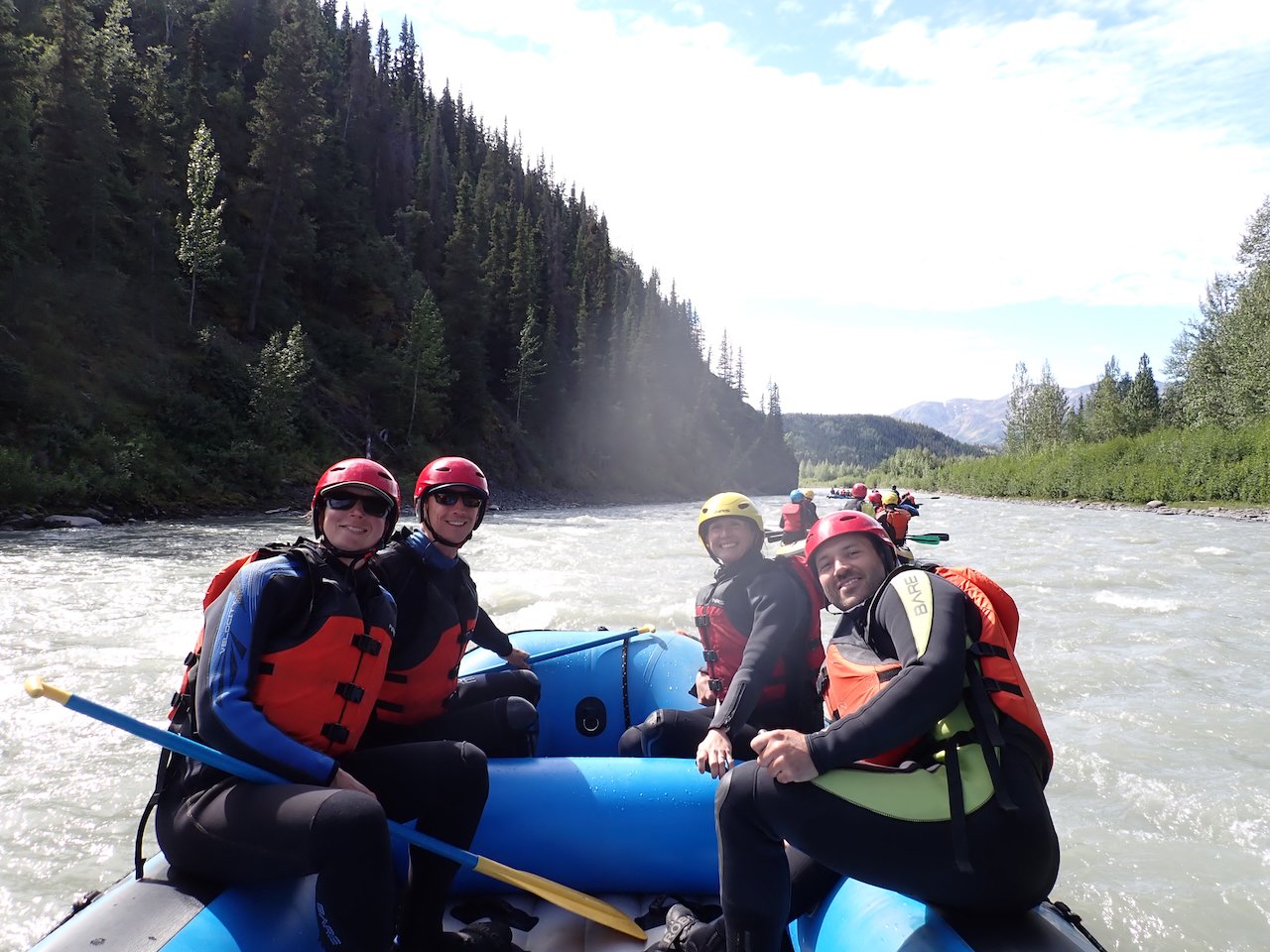
Tatshenshini River Rafting: While hiking to the Samuel Glacier we chatted with a group of pack-rafters on their way to the Parton and Tatshenshini rivers. They mentioned a guide company nearby running Tatshenshini rafting trips. That sounded like a great break from hiking and a chance for some different views of the area so we signed up for a group day drip. We started on the Blanchard River just south of the Yukon border in BC, then merged with the Tatshenshini and followed it until Dalton Post for a total of roughly 15 miles on the water. Our raft included a guide from Czech Republic, a transportation engineer, and a 3-time Canadian Olympian volley ball player recently turned police officer, whose career history generated much more conversation than the rest of ours.